

Many Chicago homeowners get halfway through planning, or worse, halfway through an exterior project, before discovering they needed a permit they did not apply for. Siding and window replacement might seem like cosmetic updates that would not require the same oversight as structural work, but in Chicago and most surrounding suburbs, these projects typically do require permits, and the specific requirements vary depending on where you live and what your project involves. Here is how to avoid that mid-project surprise.
Why Siding and Window Projects Need Permits
It might seem like replacing siding or swapping out windows for similar-sized new ones should not require the same scrutiny as building an addition, but permits for these projects serve real purposes. Window replacement permits allow inspectors to verify that egress requirements, the minimum size and operability needed for windows to serve as emergency exits in bedrooms, are still met by the replacement windows, which matters because some replacement window styles can reduce the usable opening size compared to the original. Siding permits often relate to verifying that the work does not affect fire-rated wall assemblies, particularly relevant for the closely spaced buildings common in many Chicago neighborhoods, and that proper weatherproofing details are part of the installation.
Beyond these specific technical reasons, permits also create a record of work performed on the property, which matters for future owners, insurance purposes, and resale. A siding or window replacement performed without a permit, even if done well, has no official record verifying it meets code, which can become a complication during a future sale or insurance claim.
City of Chicago Requirements
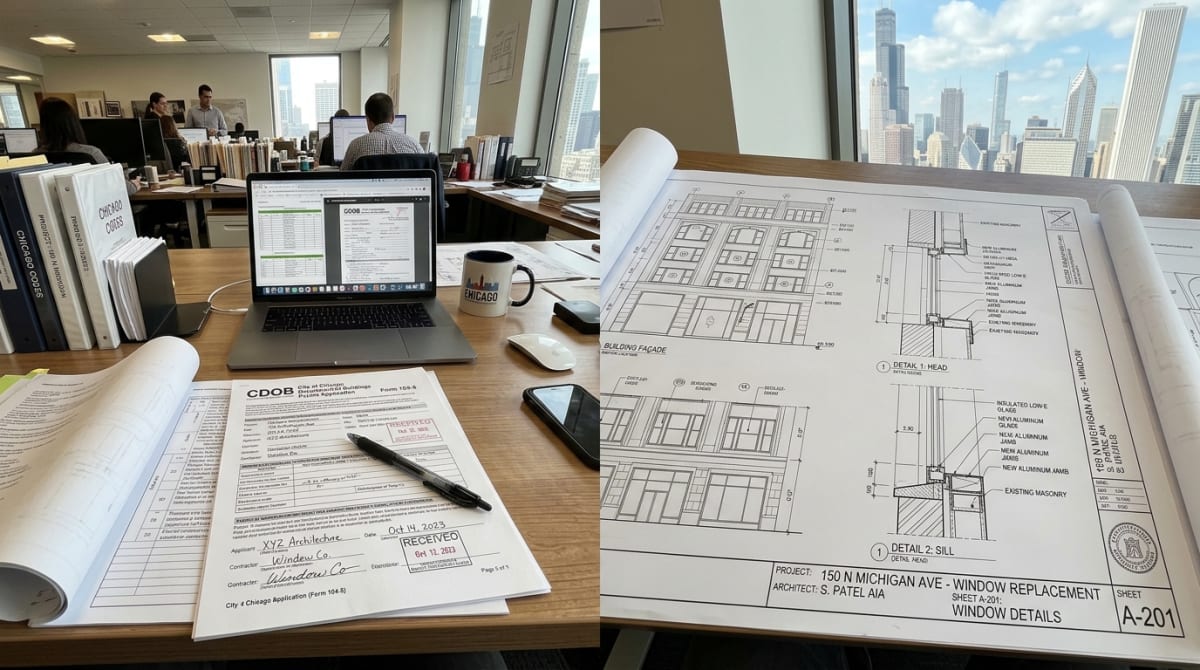
Within the city of Chicago, siding and window replacement projects generally require a permit through the Department of Buildings, though the specific permit type and review process can depend on the scope of the project and whether the building is in a designated historic district. For straightforward like-for-like window replacement, where new windows are installed in existing openings without changing the opening size, the permit process is often more streamlined than for projects involving new openings or significant changes to the exterior wall assembly.
Buildings within Chicago's designated historic districts, which include portions of several neighborhoods, face an additional layer of review focused on whether the proposed siding or window changes are appropriate for the building's historic character. This review is separate from the standard building permit and can affect what materials, colors, and window styles are approved, sometimes requiring options that more closely replicate historic appearances even if the homeowner's original preference was for a different style.
Suburban Requirements: Evanston, Oak Park, and Beyond
Each suburban municipality in the Chicago area runs its own building department with its own permit requirements for exterior work, and these requirements can differ meaningfully from both the city of Chicago and from each other. Evanston, for instance, has its own permit process for window replacement that homeowners need to navigate separately from any city of Chicago experience they might be familiar with from a previous home.
Oak Park is notable for having significant historic preservation requirements that apply to exterior changes on many properties, given the village's large stock of architecturally significant homes. Exterior remodeling projects in Oak Park, including siding and window replacement, may need to go through a historic preservation review process in addition to the standard building permit, particularly for homes that are individually designated or located within historic districts. This review focuses on similar considerations to Chicago's historic district review: whether proposed materials, colors, and window styles are appropriate for the building's architectural character.
Homeowners in other suburbs should not assume that because a neighboring town has a particular requirement, or does not have one, their own municipality follows the same approach. Confirming directly with your specific municipality's building department before finalizing project plans is the only reliable way to know what your project actually requires.
HOA and Condo Association Approval
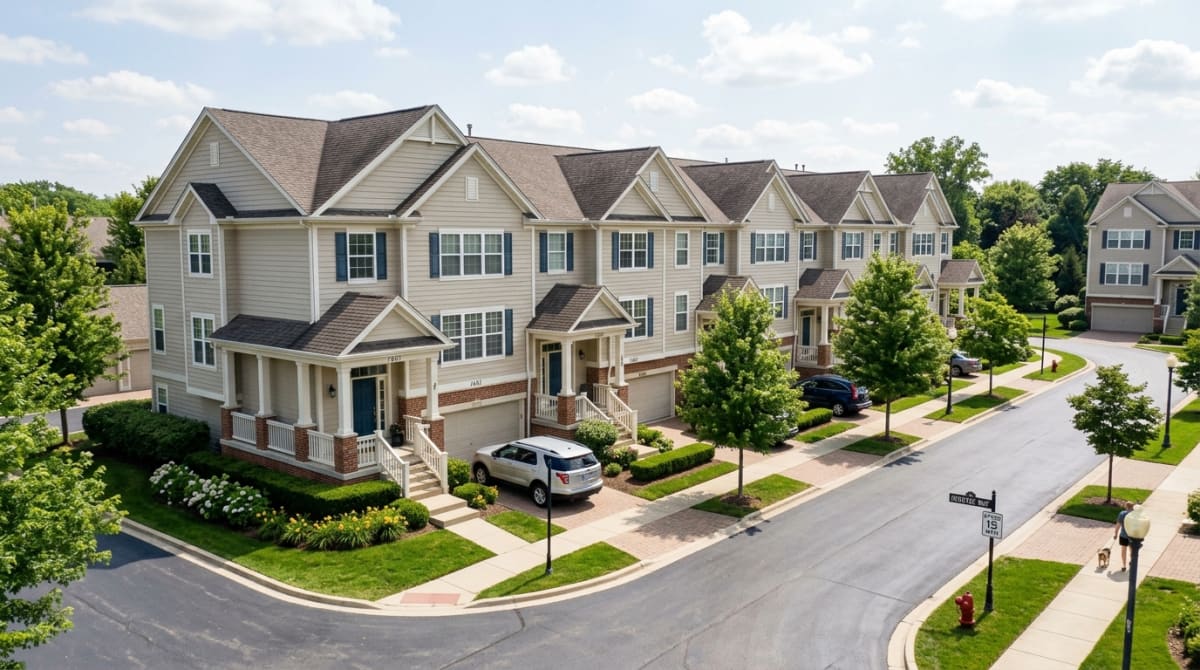
For homeowners in communities governed by a homeowners association or condo association, municipal permit requirements are often only part of the approval process. Many associations have architectural review requirements for exterior changes, including siding and window replacement, that can dictate approved materials, colors, and styles, sometimes more restrictively than the municipality itself requires. This is particularly relevant for siding, where an association might specify approved colors or materials to maintain consistency across a community.
Skipping HOA approval, even with a valid municipal permit, can lead to disputes with the association and potentially a requirement to redo work that does not conform to the association's standards. Checking your association's governing documents or contacting the board directly before finalizing material and color choices avoids the frustrating scenario of completing a project only to be told it does not meet the association's requirements.
What Documentation Is Typically Required
For most siding and window permit applications, you will need to provide basic information about the scope of work, including the materials being used and, for window replacement, the specifications of the new windows compared to the existing ones, particularly regarding egress dimensions for bedroom windows. If the project involves any changes to window opening sizes or the addition of new openings, more detailed drawings showing these changes and how they integrate with the existing wall structure may be required.
For projects in historic districts or requiring HOA approval, additional documentation showing proposed materials, colors, and how they relate to the existing building or community standards is typically needed for that separate review process. Having this documentation prepared and consistent across both the municipal permit application and any historic district or HOA submission helps avoid the situation where one approval process raises questions that affect what was already submitted to another.
Inspections for Siding and Window Projects
Depending on the scope of your project and your municipality's requirements, siding and window replacement may involve an inspection after completion to verify that the work meets code, particularly regarding egress requirements for replacement windows and proper installation details for siding, including flashing and weatherproofing at penetrations and transitions. For projects that do not involve structural changes, this final inspection is often the only inspection required, simpler than the multi-stage inspection process that structural projects typically involve.
Typical Permit Timelines and How to Plan Around Them
One of the most common sources of frustration for homeowners is underestimating how long the permit process can take relative to their desired project timeline. For straightforward, like-for-like window replacement without changes to opening sizes, the permit review process is often relatively quick, sometimes a matter of days to a couple of weeks depending on the municipality's current workload. However, projects involving any changes to openings, work in historic districts, or properties requiring additional reviews can take considerably longer, sometimes stretching to several weeks or more once historic preservation review or other additional approvals are factored in.
Seasonal timing can also affect how long permit review takes, since building departments, like contractors, tend to see higher volumes of applications during the spring and summer months when most exterior work happens. Submitting a permit application during a department's busier season may mean a longer wait for review compared to submitting during a quieter time of year, even for an identical project.
For homeowners with a specific timeline in mind, whether driven by a planned sale, a seasonal weather window for the work itself, or simply a desire to complete the project before a particular date, working backward from that date and accounting for realistic permit review timelines, including potential delays if additional documentation is requested, helps set expectations appropriately. A contractor experienced with your specific municipality can often provide a more realistic estimate of current timelines than general guidance, since these timelines can shift based on a building department's current staffing and workload.
Building in a buffer beyond the contractor's estimated timeline is generally a good idea, particularly for projects involving any review beyond a standard permit. Plan reviewers sometimes request additional information or clarification before approving an application, and each round of back-and-forth adds time to the process. A homeowner who plans their project assuming the fastest possible permit timeline, with no room for these kinds of delays, risks having materials ordered or contractor schedules booked before the permit is actually in hand, which can create its own complications if the permit takes longer than expected to come through.
What Happens If You Skip the Permit
It can be tempting, particularly for projects that seem cosmetic, to skip the permit process entirely, especially if a homeowner has heard that "everyone does it" or that enforcement is unlikely. While it is true that not every unpermitted project results in immediate consequences, the risks of proceeding without required permits are real and can surface at inconvenient times. If a problem arises with the work, whether a code issue, a dispute with a neighbor, or damage that leads to an insurance claim, the absence of a permit can complicate the resolution, since there is no official record that the work was reviewed and met applicable code requirements.
Unpermitted work can also become an issue during a future sale, when a buyer's inspection or a title search reveals exterior changes that do not match permit records on file with the municipality. This can lead to delays in a sale, requests for the seller to obtain permits retroactively, which sometimes requires opening up completed work for inspection, or in some cases price negotiations reflecting the buyer's uncertainty about whether the unpermitted work meets code. None of these outcomes are guaranteed, but they represent real risks that the relatively modest cost and effort of obtaining a permit upfront is generally intended to avoid.
Avoiding Permit Surprises on Your Project
The most effective way to avoid being caught off guard by permit requirements is to research your specific municipality's requirements, and any applicable historic district or HOA requirements, before finalizing your project plans and material choices, not after. A contractor who works regularly in your specific municipality will often already know what the permit process involves and can help you understand the timeline and documentation needed from the outset.
If you are planning a siding or window replacement project and want help understanding what permits and approvals apply to your specific home, contact us for a consultation and we will help you navigate the requirements for your location before work begins.
Related Posts
- Chicago Weather-Proofing: How to Choose Siding and Windows That Survive Midwest Winters
- Matching Siding and Windows to Your Chicago Home's Architecture: From Bungalows to Greystones
- Siding and Window ROI in the Chicago Market: What Exterior Upgrades Actually Add Value to Your Home
Reviewed by the Budget Construction Company Editorial Team
Budget Construction Company has served Chicago homeowners since 1976. Project costs and requirements vary by property, scope, and municipality.