
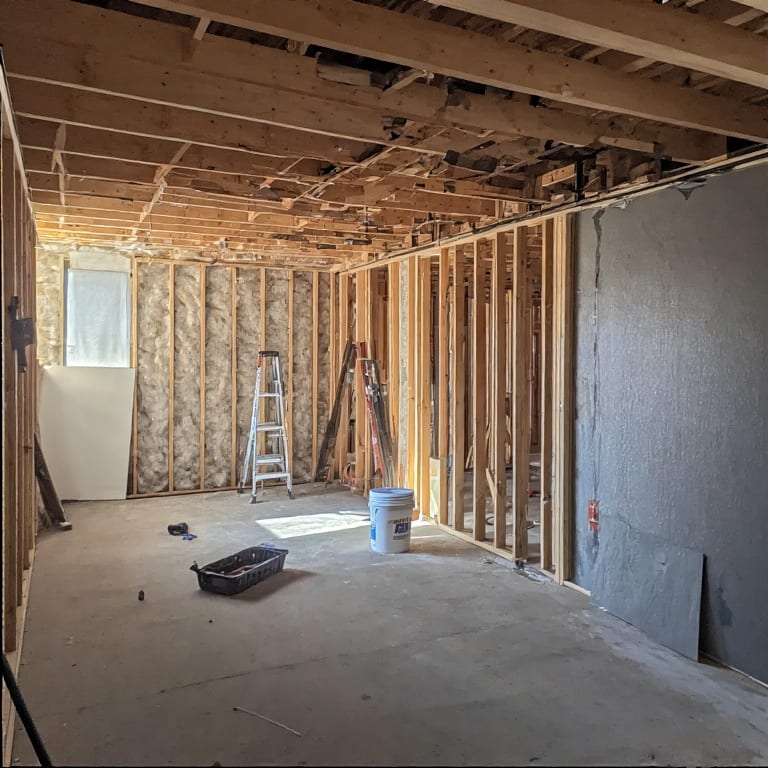
When you're planning a gut renovation in Chicago, the permit process can feel overwhelming. Multiple permit types, building code requirements, inspection schedules, and city bureaucracy create a complex maze that homeowners must navigate. Yet this process exists for a reason: ensuring your renovated home is safe, code-compliant, and properly valued on the real estate market. Skipping permits might save time and money upfront, but it creates far bigger problems down the road—failed insurance claims, financing denials when you sell, and structural issues that expensive mistakes created. Understanding Chicago's permit requirements helps you budget realistically, plan your timeline accurately, and work with contractors who navigate the system professionally.

Why Permits Matter for Gut Renovations
Permits exist for compelling reasons that directly affect you as a homeowner. The Chicago Department of Buildings requires permits for gut renovations to ensure:
Your home meets current building code standards for safety, structural integrity, and habitability. A home renovated before 1980 might have electrical systems, plumbing configurations, or structural features that no longer meet code. Permits require these systems to be brought up to current standards. This protects your family from electrical fires, water damage, and structural failure.
Work is performed by qualified professionals or supervised appropriately. Electrical permits require licensed electricians. Plumbing permits require licensed plumbers. These requirements exist because unpermitted electrical work causes house fires and unpermitted plumbing creates health hazards. When you sell your home, these systems are inspected again by the new owner's lender. Hidden, unpermitted work discovered at that point can kill the sale or require expensive remedial work.
Your property values are accurately documented. When your home undergoes a gut renovation, the city reassesses its value for tax purposes. Permitted work done properly increases the assessed value fairly. Unpermitted work creates legal liability and prevents you from getting insurance coverage if something goes wrong. When you eventually sell, the lack of permits becomes a disclosure issue, reducing buyer confidence and your sale price.
The Five Main Permit Types for Gut Renovations
Chicago requires different permits for different work categories. Understanding each type helps you anticipate timeline and costs.
Building Permits cover structural work, room configuration changes, major interior remodeling, and general construction. A gut renovation almost always requires a building permit because you're reconfiguring interior walls, updating systems, or making structural changes. The building permit application includes detailed plans showing existing conditions, proposed changes, and how the work meets Chicago Building Code. Depending on project complexity, this includes architectural drawings showing floor plans, elevations, and structural details.
Electrical Permits cover all electrical work: rewiring, panel upgrades, installing new circuits, moving outlets, and installing fixtures. In older Chicago homes, a complete electrical system replacement is nearly universal during gut renovations. Homes with knob-and-tube wiring from the 1920s, cloth-insulated wiring from the 1950s, or undersized electrical panels from the 1970s all need complete system updates to meet code. Electrical permits require a licensed electrician to design the system, obtain the permit, and oversee work. Final inspection verifies all circuits are properly sized, all outlets are grounded, and panel capacity matches home demand.
Plumbing Permits cover all water supply, drain, and vent system work. Replacing old cast iron drains with modern plumbing, installing new bathrooms, reconfiguring kitchen plumbing, and upgrading water heaters all require plumbing permits. A licensed plumber must design the system, obtain the permit, install the work, and coordinate inspections. Chicago's plumbing code is strict about vent sizing, drain slope, and cleanout placement. Unpermitted plumbing work might not meet code and could create drainage problems or water damage years later.
Mechanical Permits cover HVAC system installation, including furnaces, air conditioning, ductwork, and ventilation. Replacing an old boiler with a modern HVAC system or installing air conditioning in a home that never had it requires a mechanical permit. A licensed HVAC contractor designs the system, obtains the permit, installs equipment, and coordinates inspections. Mechanical permits ensure systems are properly sized for the home, ductwork is correctly configured, and ventilation requirements are met.
Demolition or Environmental Permits are required if your renovation includes hazardous material removal. Chicago requires permits if your home contains lead paint (common in homes built before 1978), asbestos (common in homes built before 1980), or other environmental hazards. Professional environmental contractors must handle removal, and permits ensure proper containment, disposal, and remediation. This work is costly but essential for safety.
The Chicago Permit Application Process
Navigating Chicago's permit process is straightforward if you understand the steps. Most contractors handle this on your behalf, but understanding the process helps you anticipate timeline and manage costs.
Step 1: Design and Plans Development
Before applying for permits, you need detailed plans showing existing conditions and proposed work. For simple projects, these might be relatively basic. For gut renovations involving structural changes, multiple trades, or complex systems, plans need to be detailed and professional. Many contractors hire architects or draftspeople to create these plans. The plans must show: existing floor plans with dimensions, proposed floor plan changes, electrical layout, plumbing layout, HVAC system design, and structural changes if applicable. Chicago Building Code requires that these plans show the work meets all applicable codes.
Some homeowners and contractors try to minimize this step, creating rough sketches rather than professional plans. This almost always delays the permit process. City reviewers return incomplete applications, requiring you to resubmit with proper documentation. A contractor who says "we don't need detailed plans" is either inexperienced or cutting corners in ways that will cost you time and money later.
Step 2: Permit Application Submission
Once plans are complete, you submit the permit application to the Chicago Department of Buildings. This can be done in person at their office or increasingly through their online portal. The application includes: completed forms listing project address, owner information, and project scope; detailed plans; engineer certifications if structural work is involved; proof of insurance and bonding; and estimated project cost (which determines permit fees).
Electrical, plumbing, and mechanical permits are often submitted simultaneously with the building permit or shortly after. Some trades want to submit their own permits; others prefer your general contractor to submit all permits together. Coordination here matters because inspections for different trades often need to happen in sequence or at least be coordinated.
Step 3: Plan Review and Approval
Once submitted, the Department of Buildings reviews your plans for code compliance. This process typically takes four to eight weeks depending on project complexity and current department workload. Simple projects move faster. Complex projects with structural work, significant system changes, or unusual configurations take longer. If reviewers identify issues with the plans, they issue comments requesting revisions. You must address all comments and resubmit, which starts another review cycle. Most projects require at least one revision cycle. Some complex projects require two or three.
This is where poor-quality initial plans really hurt your timeline. Vague electrical layouts, unclear structural details, or incomplete plumbing designs all trigger reviewer comments. Detailed, professional plans move through review faster because reviewers can approve them without requesting clarifications.
Step 4: Permit Issuance and Construction Authorization
Once plans are approved, the Department of Buildings issues your permits. You receive permit documents for the building, electrical, plumbing, and mechanical work. These documents are your authorization to begin construction. Some contractors begin certain work before receiving all permits—this is illegal and exposes you to fines and potential project shutdown. Legitimately beginning work requires all necessary permits in hand.
The permit documents include work authorization, project details, permit numbers, and the inspector assigned to your project. Keep these documents on-site during construction. Inspectors verify permit status before conducting inspections.

Understanding Chicago Building Code Requirements
Chicago's building code is based on the International Building Code with local amendments. Several requirements affect gut renovations significantly.
Electrical Code Changes
Modern electrical code requires grounded outlets in kitchens and bathrooms (preventing shock hazards), dedicated circuits for major appliances, proper outlet spacing, and correctly sized panel capacity. Older homes often have 60 or 100-amp panels insufficient for modern appliance loads and safety requirements. A gut renovation nearly always requires upgrading the electrical panel to 150 or 200 amps. This involves updating the entire electrical system from the meter through all circuits. Chicago inspectors verify every detail: proper wire gauging, correct breaker sizing, ground rods, and GFCi protection in appropriate locations.
Plumbing Code Changes
Modern plumbing code requires adequate drain slope (typically 1/4 inch per foot), proper vent sizing, trap seals on all drains, and cleanout access. Old cast iron drains often don't meet modern code. Water supply systems must deliver adequate pressure and volume to all fixtures. Waste and vent pipes must be appropriately sized and configured. Chicago inspectors check for these details through rough-in and final inspections.
HVAC Code Requirements
Mechanical code requires heating and cooling systems appropriately sized for the home's square footage and insulation. Ductwork must be properly sized and sealed. Return air must be adequate. Ventilation requirements (typically 0.35 air changes per hour) must be met. Improper HVAC sizing results in comfort problems and inefficiency. Chicago code requires equipment to be appropriately rated and installed per manufacturer specifications.
Structural Code
If your gut renovation involves removing walls, the structural engineer must verify that remaining structure adequately supports loads. This might require installing a beam to carry roof or floor loads previously supported by the removed wall. Structural work must be inspected before walls are closed.
Inspection Timeline and What Happens at Each Stage
Inspections happen throughout the project, not just at the end. Understanding what's inspected at each stage helps you coordinate work and maintain schedule.
Demolition Inspection
Some projects require inspection after demolition is complete to verify that structural elements are sound and don't require unexpected remediation before rough-in work begins. This inspection catches water damage, rot, or settling that should be addressed early.
Framing Inspection
Once new framing is complete but before drywall is installed, the building inspector verifies that framing is properly sized, correctly connected, and meets code. This inspection catches structural issues before they're hidden. If issues are found, you must correct them and request re-inspection before drywall installation.
Electrical Rough-In Inspection
After electrical wiring is installed but before drywall is closed, the electrical inspector verifies that all wiring is properly secured, boxes are accessible, circuit sizing is correct, and the system is safe. Finding issues here is much easier than after walls are finished.
Plumbing Rough-In Inspection
After drain lines and supply lines are installed but before walls are closed, the plumbing inspector verifies that drains slope properly, vents are appropriately sized, and the entire system is configured correctly. Pressure testing might occur at this stage to verify the system is sound.
HVAC Rough-In Inspection
After ductwork is installed, the mechanical inspector verifies sizing, connections, sealing, and proper configuration. Improper ductwork installation wastes energy and creates comfort problems, so this inspection is essential.
Final Electrical, Plumbing, and Mechanical Inspections
After systems are completely installed with all fixtures, outlets, and equipment, final inspections verify that everything functions correctly and meets code. These inspections occur when the home is essentially finished.
Final Building Inspection
The final building inspection verifies the entire project is complete and code-compliant. Only after all trade inspections pass and the final building inspection is complete does the city issue a Certificate of Occupancy, which legally permits you to occupy the home.
Permit Costs and Fees
Permit fees vary based on project scope and estimated cost. Understanding what you'll pay helps you budget realistically.
Building Permit Fees
Chicago building permit fees are based on the estimated project cost. The city uses a fee schedule: roughly $1.00-$1.50 per $1,000 of estimated project cost, with a minimum fee. A $300,000 gut renovation might cost $300-$450 in building permit fees. This seems modest, but it's just the beginning.
Electrical Permit Fees
Electrical permit fees are typically $35-$75 per panel upgrade or major electrical project, plus additional fees for additional circuits or outlets.
Plumbing Permit Fees
Plumbing permit fees vary by the scope of work but typically range from $50-$150 for standard residential plumbing work.
Mechanical Permit Fees
Mechanical permit fees for HVAC installation are typically $50-$150 depending on system complexity.
Plan Review and Inspection Fees
The city charges plan review fees (typically $100-$300 depending on project size) and inspection fees (often $35-$75 per inspection). A typical gut renovation with multiple inspections might incur $400-$700 in inspection fees total.
Environmental Permits and Abatement Costs
If lead paint abatement is required, expect costs of $3,000-$8,000 depending on home size and paint extent. If asbestos removal is needed, expect $5,000-$15,000 depending on quantity and location. These are separate from permit fees but must be factored into your budget.
Most Chicago contractors include these permit costs in their overall project estimate, so understand what's included when comparing contractor bids.
Common Permit Application Mistakes That Delay Projects
Understanding common mistakes helps you avoid them.
Underestimating Project Scope
Many homeowners and contractors underestimate the scope of work in permit applications. A contractor estimates $250,000 in costs, so the application lists that figure. Once work begins, discoveries reveal additional work needed—structural issues, system upgrades, code compliance—pushing actual costs to $320,000. The city considers this a significant change requiring permit amendment and re-review. Proper initial assessment and detailed planning prevent this.
Incomplete or Unclear Plans
Plans that lack detail or clarity trigger reviewer comments and revision cycles. Unclear structural details, incomplete electrical layouts, or vague plumbing designs all delay approval. Professional plans submitted initially move through review faster.
Missing Required Documentation
Applications missing engineer certifications for structural work, environmental reports for hazmat removal, or proof of insurance all get returned incomplete. Submitting complete applications initially saves weeks compared to submitting incomplete applications and resubmitting later.
Incorrect Permit Type Selection
Some contractors submit only a building permit when plumbing and electrical permits are also required. Or they submit permits separately without coordinating work phases. Selecting the correct permits initially and coordinating submission saves time.
Failing to Account for Timeline
Permit review takes weeks, not days. Contractors and homeowners often underestimate this timeline, expecting to begin construction immediately. Planning for four to eight weeks of permit review prevents frustration.
Attempting DIY Permits When Professional Submission Is Better
Some homeowners try to submit permits themselves to save contractor fees. This rarely ends well. Professional contractors who submit regularly understand exactly what reviewers need and submit complete applications. Homeowners without this experience often struggle with the process. The few hundred dollars saved on permit submission often costs thousands in timeline delays and rework.
Working With City Inspectors
Successful permit inspections depend on understanding what inspectors are verifying and preparing accordingly.
Scheduling Inspections
Contractors typically call or request inspections through the Department of Buildings portal. Inspectors arrive within a few days of the request, but scheduling varies by season. During busy seasons, some categories face longer waits. The contractor must ensure work is complete and ready for inspection before calling. Calling for inspection on unfinished work wastes the inspector's time and delays your project.
Preparing for Inspections
Work should be complete and safe for the inspector to navigate. Rough electrical and plumbing work should be exposed so inspectors can examine connections, wiring, and pipe sizing. Framing should be clean and clear. Dust and debris shouldn't obscure the work.
Understanding Inspector Expectations
Chicago inspectors are generally professional and knowledgeable. They know the code and their expectations are reasonable. If an inspector identifies issues, they'll specify what must be corrected. Work with your contractor to address issues promptly and request re-inspection. Arguing with inspectors or trying to cut corners here creates problems.
Multiple Inspectors
Depending on project scope, you'll work with building inspectors, electrical inspectors, plumbing inspectors, and mechanical inspectors. Each has specific expertise and requirements. Coordinating inspections so multiple trades can be verified on the same site visit saves time.

Dealing With Permit Delays and Challenges
Even with perfect planning, delays sometimes occur.
Extended Plan Review
If the city takes longer than expected to review plans, this delays everything downstream. Complex projects in busy permit seasons can take longer than initial estimates suggested. Communicating with the Department of Buildings can sometimes accelerate review or clarify what additional information they need. Some contractors have relationships that facilitate communication.
Inspector Unavailability
If inspectors are booked solid, scheduling inspections becomes challenging. This is particularly common during spring and summer when renovation activity peaks. Scheduling work to coordinate multiple inspections on the same date maximizes inspector time and minimizes overall delays.
Deficiencies Identified During Inspection
If inspectors identify work not meeting code, you must correct it and request re-inspection. This extends timeline by one to three weeks depending on severity and the inspector's availability. Working with experienced contractors and ensuring quality initial installation minimizes this risk.
Permit Expiration
Chicago building permits expire after a certain period if work hasn't begun. If your project is delayed and the permit expires, you must apply for a new permit or permit renewal. Understanding permit validity periods prevents surprises.
When to Consider Historic District or Landmark Permits
If your Chicago home is located in a historic district or is a designated landmark, additional permit requirements apply.
Historic District Reviews
Homes in historic districts (such as Lincoln Park, Oak Park, or Pilsen) must undergo architectural review of exterior changes. Interior work is typically unreviewed, but exterior changes—windows, doors, roof materials, color—must be approved by the local architectural commission. This adds timeline and potentially cost if changes require modification to meet historic standards.
Landmark Designations
If your home is a designated Chicago Landmark, both interior and exterior work might require Landmarks Commission approval. A gut renovation of a landmark property often requires demonstrating that interior work preserves historic character and architectural integrity. This can affect material choices, wall configurations, and fixture selections. It adds complexity but protects the character of Chicago's most significant architectural properties.
The Certificate of Occupancy
The Certificate of Occupancy is your final destination in the permit process. This document confirms that your renovated home meets all code requirements and is safe for occupancy. Without it, you legally cannot move into the home. Your mortgage lender likely won't finalize financing, and your insurance might not cover the space. Getting the Certificate of Occupancy requires:
- All inspections passing (building, electrical, plumbing, mechanical, final)
- All permit requirements satisfied
- All identified deficiencies corrected
- No outstanding violations or issues
- Final verification by the Department of Buildings
Once you have the Certificate of Occupancy, your renovation is officially complete from a regulatory perspective.
Working With Contractors Who Understand Chicago Permits
An experienced Chicago gut renovation contractor will:
- Understand permit requirements and timelines thoroughly
- Prepare detailed, professional plans for permit submission
- Handle permit applications on your behalf
- Manage inspection scheduling and coordination
- Work professionally with city inspectors
- Address any inspection deficiencies promptly
- Maintain permits on-site and ensure all required documentation is available
- Communicate proactively about permit status and any delays
- Budget permit costs and timeline impact into project estimates
When evaluating contractors, ask about their experience with Chicago permits, what their typical timeline for permit approval is, and whether they've encountered challenges with specific project types. A contractor who can confidently discuss Chicago Building Code requirements and permit process details is more likely to navigate your project successfully than one who seems unfamiliar with local requirements.
Professional Help: When to Hire Architects, Engineers, or Permit Specialists
For complex gut renovations, professional help with permits and compliance can be worth the cost.
Architects or Draftspeople
If your renovation involves structural changes, complex room reconfigurations, or multi-story work, a professional architect who understands Chicago code can create plans that move through the permit process faster. The cost ($2,000-$8,000 depending on complexity) is typically recovered in faster permit approval and fewer revision cycles.
Structural Engineers
If your project involves removing walls, the Chicago Building Code likely requires an engineer-designed solution. A structural engineer must verify that remaining structure adequately supports loads. This service ($800-$2,500 depending on complexity) is necessary and required.
Licensed Mechanical, Electrical, and Plumbing Designers
Complex HVAC, electrical, or plumbing systems in large homes might benefit from professional design rather than contractor design. A professional HVAC designer ensures your system is properly sized and ductwork is optimized. A professional electrician designs a system that meets code and serves your needs. These services cost more but can prevent issues and ensure optimal system performance.
Permit Expeditors
For complex projects or if you're unfamiliar with permit processes, a professional permit expeditor who works regularly with the Chicago Department of Buildings can coordinate the permit process. They charge $500-$2,000 depending on project scope, but they can streamline the process and prevent costly delays.
Timeline Impact of Permits
Budgeting realistic timeline for permits is critical. Most Chicago gut renovations spend four to twelve weeks on permits from initial plan development through permit issuance:
- Initial design and plan development: 2-4 weeks
- Detailed plans and specifications: 2-4 weeks
- Permit application submission: 1 week
- Plan review and approval: 4-8 weeks (sometimes longer for complex projects)
- Address reviewer comments if needed: 2-4 weeks
- Permit issuance: 1-2 weeks
Total: 4-12 weeks from start to having permits in hand to begin construction. This is the most commonly underestimated phase of the renovation timeline. Contractors who promise "we'll have permits in a few weeks" are often being overly optimistic.
Staying Compliant: Avoiding Unpermitted Work
The temptation to skip permits to save money and time is real, but it's a false economy. Unpermitted work creates serious consequences:
- Safety hazards: Unpermitted electrical work causes fires. Unpermitted plumbing creates health hazards. Unpermitted structural work causes collapse.
- Insurance denial: If your home is damaged and insurance discovers unpermitted work, they can deny your claim.
- Financing problems: When you sell, lenders will discover unpermitted work and decline to finance the purchase, killing the sale.
- Legal liability: If someone is injured due to unpermitted work, you're potentially liable.
- City fines: The city can fine you for unpermitted work and require you to remediate at your expense.
- Property value reduction: A home with undisclosed unpermitted work is worth less and harder to sell.
The few weeks or dollars you save by skipping permits can cost you tens of thousands in repairs, fines, or lost property value.
Common Questions About Chicago Permits
Q: Do I need permits for cosmetic work like painting and new flooring?
A: Typically no, unless you're removing asbestos tiles or lead paint. Painting and flooring are generally permit-exempt work.
Q: Can I do electrical or plumbing work myself without a license if I get a permit?
A: Chicago requires licensed electricians and plumbers to obtain permits and perform work in most cases. Homeowner-performed work is very limited and generally not allowed for major systems.
Q: How long are permits valid for?
A: Building permits are typically valid for 180 days from issuance. If you haven't begun work within that period, you must request a permit extension or file a new permit.
Q: What if I need to change the scope of work mid-project?
A: You must notify the Department of Buildings of significant changes. Minor modifications might not require amendment, but major changes to scope, structure, or systems require a permit amendment.
Q: Is it worth hiring a professional permit expeditor?
A: For complex projects, yes. The cost is typically recovered in faster approval and avoided delays. For straightforward projects, your contractor's experience often suffices.
Final Thoughts on Chicago Permits
The permit process exists to protect your safety, your property value, and your community. Chicago's requirements are thorough but manageable if you approach them systematically. Working with experienced contractors who understand Chicago code and permits, allowing realistic timeline for permit approval, budgeting permit costs, and remaining compliant throughout the renovation sets you up for success.
If you're planning a gut renovation and want help navigating permits, understanding Chicago's requirements, and identifying a contractor experienced with the city's permit process, Budget Construction Company can assist. We've completed dozens of fully permitted gut renovations in Chicago and understand how to move projects through the permit process efficiently while maintaining quality. Contact us for a consultation to discuss your renovation and permit strategy.
Related Posts
- Chicago Gut Renovation Costs in 2026: What Homeowners Actually Pay
- How Long Does a Full Gut Renovation Take in Chicago? Realistic Timelines for 2026
- Gut Renovating a Historic Chicago Home: Preserving Character While Meeting Modern Building Codes
- Gut Renovation vs. Partial Remodel: Which Is Right for Your Chicago Home?
Reviewed by the Budget Construction Company Editorial Team
Budget Construction Company has served Chicago homeowners since 1976. Project costs and requirements vary by property, scope, and municipality.