

Chicago's historic neighborhoods—Lincoln Park, Lakeview, Oak Park, Rogers Park—are filled with stunning vintage homes that represent a century of architectural craftsmanship. A 1920s greystone with original limestone facade. A Victorian with intricate woodwork and period details. A Craftsman bungalow with its signature character intact. These homes have survived a century because they were built well, but they're also showing their age. Systems are outdated. Layouts no longer suit modern family life. Materials have deteriorated. The temptation to simply gut renovate these homes is powerful. But gutting a historic Chicago home isn't the same as renovating a 1980s ranch in the suburbs. Historic preservation requirements, neighborhood guidelines, and architectural integrity considerations add complexity and cost that many homeowners don't anticipate. Understanding how to navigate these constraints while achieving a truly livable modern home is the difference between a successful historic renovation and a frustrated homeowner who discovers mid-project that their plans violate preservation requirements.
Understanding Chicago's Historic Preservation Framework
Chicago's historic preservation system operates at multiple levels. The city has officially designated landmarks and historic districts. Individual properties within those districts may be designated landmarks themselves. Neighborhood associations sometimes have additional guidelines. The Cook County Assessor's office manages programs affecting property taxes. Federal historic tax credits require compliance with specific standards. Each layer adds requirements that affect your gut renovation scope, timeline, and cost. Understanding which regulations apply to your specific property is the essential first step.
Landmark designation means your home is on the Chicago Register of Historic Landmark. These homes require approval from the Commission on Chicago Landmarks (CCL) for exterior work, interior work affecting character-defining features, and sometimes even demolition or major structural changes. Being a landmark is usually a point of pride for homeowners but comes with real obligations. Historic district designation is different—it means your home is within a geographically designated district, like the Lincoln Park or Lakeview historic districts. Even if your home isn't individually designated, district guidelines apply. You'll need approval for exterior work and sometimes interior changes visible from the public way.
The architectural significance of your home matters in determining what preservation requirements apply. A modest 1920s bungalow has fewer restrictions than a Frank Lloyd Wright-designed home or a Victorian mansion with ornate original details. Preservation review boards consider the home's architectural style, historical significance, original features, and condition when evaluating renovation proposals. A gutting plan that proposes removing all original interior elements faces stricter review than one proposing selective preservation of significant features.
Navigating Approval Processes for Historic Homes
Before you can start a gut renovation on a historic Chicago property, you must obtain approval from the appropriate review board. For homes within the Chicago city limits and designated as landmarks or within historic districts, the Commission on Chicago Landmarks reviews your proposal. Their role is ensuring that exterior alterations and major interior changes respect the home's historic character and architectural significance. This process adds four to eight weeks to your project timeline and requires detailed documentation of your proposed renovation.
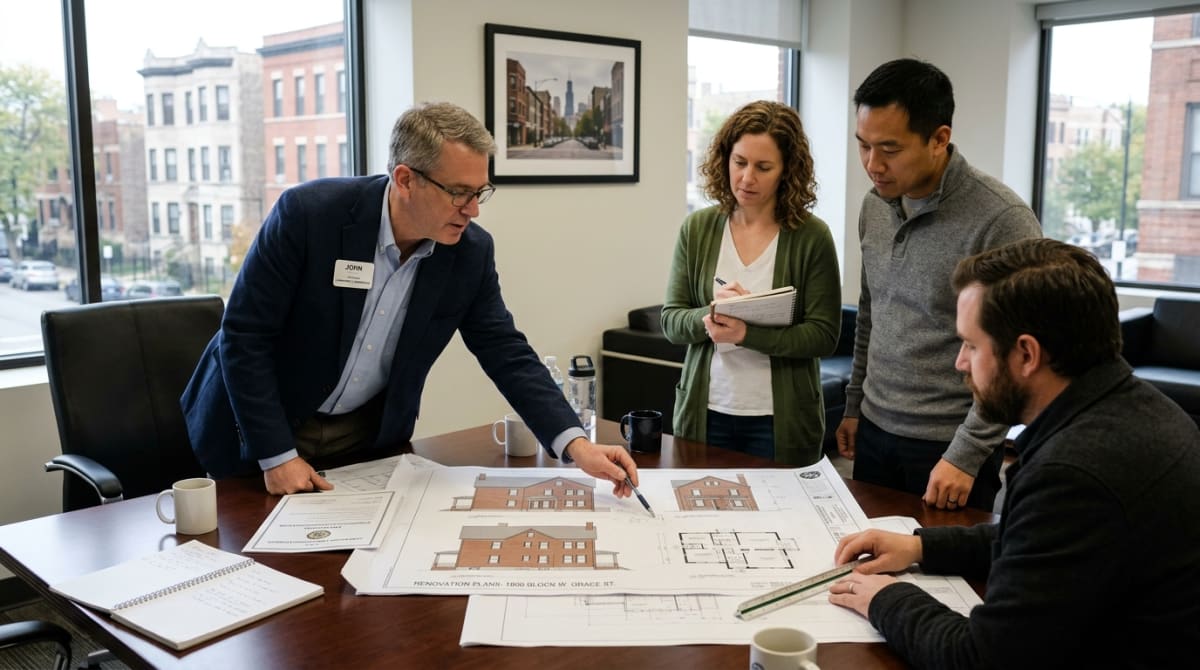
The approval process begins with a complete renovation plan including architectural drawings, material specifications, and photographs showing existing conditions. You'll need to document not just what you're changing but why. Are you removing a wall because it's non-load-bearing and limiting functionality? That's easier to justify than removing a wall because you simply prefer open concept. Are you replacing original windows because they're damaged beyond repair and energy efficiency matters for winter comfort in Chicago? That gets approval more readily than replacing them purely for aesthetics.
Historic preservation boards look favorably on renovations that respect original floor plans, preserve character-defining architectural elements, and use materials and design approaches compatible with the home's era. They look skeptically at proposals that remove all original character in pursuit of modern open concept living. They're most concerned about exterior changes visible from the street, but interior changes affecting significant original features like ornate plasterwork, built-in cabinetry, or architectural details face scrutiny as well.
Hiring an architect or preservation consultant familiar with Chicago's historic review process is invaluable. These professionals understand what approval boards will accept, how to document renovation plans in ways most likely to gain approval, and how to suggest alternatives when your initial vision conflicts with preservation requirements. This expertise costs money—typically a few thousand dollars—but prevents the costlier scenario of submitting plans that get rejected, requiring redesign and resubmission.
Balancing Historic Character With Modern Livability
The central tension in historic home gut renovation is balancing preservation of character with creating a genuinely livable modern home. Many homeowners initially imagine completely gutting the interior while preserving the exterior shell. Sometimes preservation boards will accept this. Often they won't, especially if the interior contains significant original features or if the home's architectural significance lies substantially in its interior design.
Selective preservation strategies often work better than all-or-nothing approaches. Preserve the original plaster crown molding in the formal living room but modernize less significant rooms. Restore original hardwood floors in primary spaces but use durable contemporary flooring in kitchens and bathrooms. Keep original windows in visible locations and replace hidden basement windows. This approach respects historic character while allowing substantial modernization in areas where functionality matters most.
Floor plans in historic homes often reflect pre-modern family patterns that don't suit contemporary living. Original homes had separate dining rooms, parlors, studies, and servant spaces that today's families don't need. Modern families want open kitchens flowing into living areas, fewer but larger bedrooms, and abundant closet space. Some historic homes can accommodate these changes without destroying architectural integrity. Others can't without removing load-bearing walls or character-defining features. Understanding your specific home's constraints before committing to a design prevents mid-project conflicts with preservation review.
A 1920s Chicago greystone might have original plaster walls with beautiful crown molding, plaster cornices, and architectural details worth preserving. You can gut renovate the kitchen while preserving the period character of the dining room. A Victorian with ornate original woodwork might be best served by preserving prominent spaces and modernizing secondary spaces. A modest bungalow with less ornate detailing offers more flexibility for modern open concept design. Each home's architectural significance and original features should guide preservation decisions.

Meeting Modern Building Codes in Historic Homes
Chicago's building code applies equally to new construction and renovations of historic homes. There are no "historic home exemptions" from fire safety, electrical safety, or accessibility requirements. This creates real challenges because original features sometimes conflict with modern code. Original narrow stairways might not meet current code width requirements. Original electrical systems won't meet current code capacity and safety standards. Original plumbing doesn't accommodate modern fixture demand. Original windows might not provide adequate egress in bedrooms. You must modernize to code-compliant standards while preserving historic character where possible.
Electrical codes require grounded outlets and circuits sized for modern appliance loads. Historic homes wired in the 1920s with knob-and-tube wiring or ungrounded circuits require complete rewiring. There's no way around this. Insurance companies won't insure homes with knob-and-tube wiring, and it's a genuine safety hazard. Rewiring historic homes presents challenges because you must route modern wiring through existing wall cavities without damaging plaster, original finishes, or historic details. This requires skilled work and adds cost compared to rewiring new construction.
Plumbing codes require adequate water supply and proper venting. Historic cast iron drain lines often fail from corrosion. Original single-stack plumbing doesn't accommodate modern fixture counts and usage patterns. You'll need new plumbing throughout, which requires routing pipes through walls. Coordinating plumbing, electrical, and HVAC work in historic homes with thick plaster walls and limited cavity space requires careful planning to avoid damage to original features.
Fire and safety codes apply regardless of historic status. Bathrooms require proper ventilation. Kitchens require specific outlet spacing and dedicated circuits. Bedrooms require egress windows for emergency exit. Stairs require handrails and specific tread dimensions. These modern requirements sometimes conflict with historic proportions or original design. Working with architects and contractors experienced in historic renovations helps you meet code requirements while minimizing impacts to historic character.
Addressing Structural Realities in Century-Old Homes
Historic Chicago homes were built on different structural principles than modern homes. Many predate modern building codes, use outdated materials, and show signs of settling or deterioration. A gut renovation forces you to confront these structural realities. Settling is nearly universal in homes over fifty years old. Foundations that seemed fine for decades sometimes show movement during demolition. Original foundation systems—often stone or unreinforced concrete—may need strengthening to support second-story additions or modern loads.
Foundation work adds significant cost to historic gut renovations. A structural engineer must assess existing conditions and recommend any reinforcement needed. Sometimes this is straightforward—adding a few posts or beams. Sometimes it's complex, involving underpinning, excavation, and structural additions that extend the renovation timeline and cost. This work must be done correctly. Cutting corners on foundation issues creates problems that emerge years later.
Asbestos is common in homes built before 1980. Asbestos insulation, asbestos floor tiles, asbestos pipe wrap, and asbestos roof shingles are all possible in Chicago homes from this era. Professional asbestos abatement is expensive and time-consuming but necessary. You cannot simply demolish asbestos-containing materials. Licensed environmental contractors must carefully remove and dispose of these materials, adding weeks and thousands of dollars to your renovation timeline and budget. Factor this in from the beginning rather than discovering asbestos during demolition and scrambling to hire abatement services.
Lead paint is universal in homes built before 1978. In Chicago, most homes have lead paint on interior and exterior surfaces. Professional lead abatement or careful containment during renovation is legally required. EPA regulations for lead-safe work practices require specific protocols during renovation work. Contractors not following these requirements expose your family to lead contamination and violate federal law. Budget for professional lead abatement or certified lead-safe renovation practices.
Historic Tax Credits and Their Benefits
Federal Historic Preservation Tax Credits offer substantial financial incentives for qualified historic renovations. If your home qualifies—it must be listed on or eligible for the National Register of Historic Places, and the renovation must follow Secretary of Interior Standards for Historic Preservation—you may be eligible for a 20 percent tax credit on qualified rehabilitation expenses. This credit applies to both commercial and residential historic properties and can be extremely valuable, sometimes recovering $30,000 to $100,000 or more depending on project scope.
However, Historic Tax Credits come with strict requirements. Your renovation must follow the Secretary of Interior Standards for Historic Preservation, which means extensive documentation, detailed approval processes, and careful work to preserve historic character. You cannot simply gut the interior and claim tax credit benefits. The work must genuinely preserve and rehabilitate the historic structure. Many homeowners find that pursuing tax credits requires a more preservation-focused renovation than they initially planned, but the financial benefit often justifies the additional constraints.
Eligibility requirements are specific. Your property must be a certified historic structure—meaning it's either listed on the National Register of Historic Places, located in a registered historic district and certified as contributing to the historic significance of the district, or designated as historic by your state historic preservation office. Chicago properties within the city's designated historic districts and landmark properties generally qualify. Your project must involve substantial rehabilitation, defined as rehabilitation costs exceeding the greater of $5,000 or twenty-five percent of the property's basis.
Working With Historic Preservation Professionals
Hiring the right professionals is critical for historic home gut renovations. You need architects or contractors experienced with historic Chicago homes, familiar with preservation review requirements, and skilled at balancing modern systems with historic character. Many general contractors don't have this expertise and may inadvertently violate preservation requirements or suggest designs that won't be approved.
A preservation architect or consultant who understands Chicago's specific historic districts and review board preferences is invaluable. These professionals have navigated the approval process many times and know which compromises boards will accept and which designs face rejection. They can design renovations that meet modern code requirements while preserving character, a balance that requires genuine expertise. The cost—typically several thousand dollars—is money well spent compared to the alternative of rejected renovation plans and design rework.
Contractors experienced with historic homes understand how to work around original features, how to route modern systems through thick plaster walls without destructive damage, and how to source period-appropriate replacement materials when original features can't be salvaged. They know Chicago's older homes and their particular quirks and construction methods. These contractors cost more than those without historic experience, but the quality difference justifies the expense.

Making Your Historic Gut Renovation Decision
Gut renovating a historic Chicago home is complex, expensive, and time-consuming. But for many homeowners, it's the right choice. Your historic home has survived a century because it was built well with materials and craftsmanship that are difficult to replicate today. Living in an architecturally significant neighborhood with established trees, walkable streets, and community character is invaluable. Creating a genuinely modern, efficient, code-compliant home inside a historic shell offers the best of both worlds—the charm and solidity of a vintage property combined with the comfort and convenience of contemporary living.
The key is approaching historic renovation with realistic expectations about constraints, timelines, and costs. Understand your property's preservation requirements early. Hire professionals experienced with historic Chicago homes. Design renovations that respect historic character while achieving modern functionality. Budget for the inevitable surprises that emerge during demolition of century-old structures. Set realistic timelines that account for approval processes and specialized work required by historic properties.
If you're planning a gut renovation of a historic Chicago home and want to discuss how to balance preservation requirements with modern livability, understand your specific property's constraints, and work with professionals experienced in historic restoration, Budget Construction Company has completed numerous gut renovations in Chicago's historic neighborhoods. We understand preservation requirements, Chicago's landmark review process, and how to create beautiful, functional modern homes within historic structures. Contact us for a consultation to discuss your historic renovation vision and work with a team that respects both your home's architectural heritage and your modern living needs.
Related Posts
- Chicago Gut Renovation Costs in 2026: What Homeowners Actually Pay
- How Long Does a Full Gut Renovation Take in Chicago? Realistic Timelines for 2026
- Second Floor Additions in Chicago's Historic Neighborhoods: Preserving Character While Adding Space
Reviewed by the Budget Construction Company Editorial Team
Budget Construction Company has served Chicago homeowners since 1976. Project costs and requirements vary by property, scope, and municipality.