
This checklist is for observation and maintenance planning. It is not a structural certification. Restrict access and obtain qualified help when a deck or porch moves, leans, separates from the building, or appears unstable.
Start With Overall Movement
Walk the structure during daylight and pay attention to unusual vibration, bounce, sway, or slope. Look from the yard and side property lines for leaning posts, sagging beams, uneven landings, and stair movement.
Changes matter. A porch that appears more tilted than last season or a railing that recently loosened deserves investigation even if the deterioration looks minor.
Check the Connection to the Building
Where a deck or porch attaches to the house, inspect for gaps, staining, rust, crushed wood, missing fasteners, and water entry. Doors and wall intersections should direct water away from the structure.
Do not seal over a questionable connection without understanding why water or movement is present. Trapping moisture can accelerate concealed decay.
Inspect Posts, Bases, and Foundations
Check posts for splitting, rot, crushing, insect damage, and out-of-plumb conditions. Pay special attention near grade and at metal bases where water and debris collect.
Look for cracked or displaced concrete, deteriorated masonry, erosion, and soil settlement. Downspouts and runoff should not discharge against porch supports.
Examine Beams and Joists
From below, look for dark staining, soft wood, cracks, sagging, poorly supported splices, and corroded hardware. Check joist ends and beam connections, where water can remain hidden.
White mineral deposits, peeling paint, or repeated staining may indicate a drainage path that needs correction even when the wood still feels firm.
Test Railings and Guards
Apply gentle pressure rather than force. Railings should not feel loose or detach from posts, stairs, or framing. Inspect balusters, post connections, cap rails, and areas where fasteners have pulled through deteriorated wood.
Loose guards are urgent because they are relied upon during a fall. Temporary surface screws are not a substitute for a correctly detailed structural connection.
Review Stairs and Landings
Check for loose treads, cracked stringers, uneven risers, movement at the top and bottom, damaged handrails, and slippery growth. Confirm that landings drain and remain clear.
Ice and water often collect at the bottom of stairs. Correct drainage and surface conditions instead of repeatedly replacing the same damaged tread.
Inspect Deck Boards and Fasteners
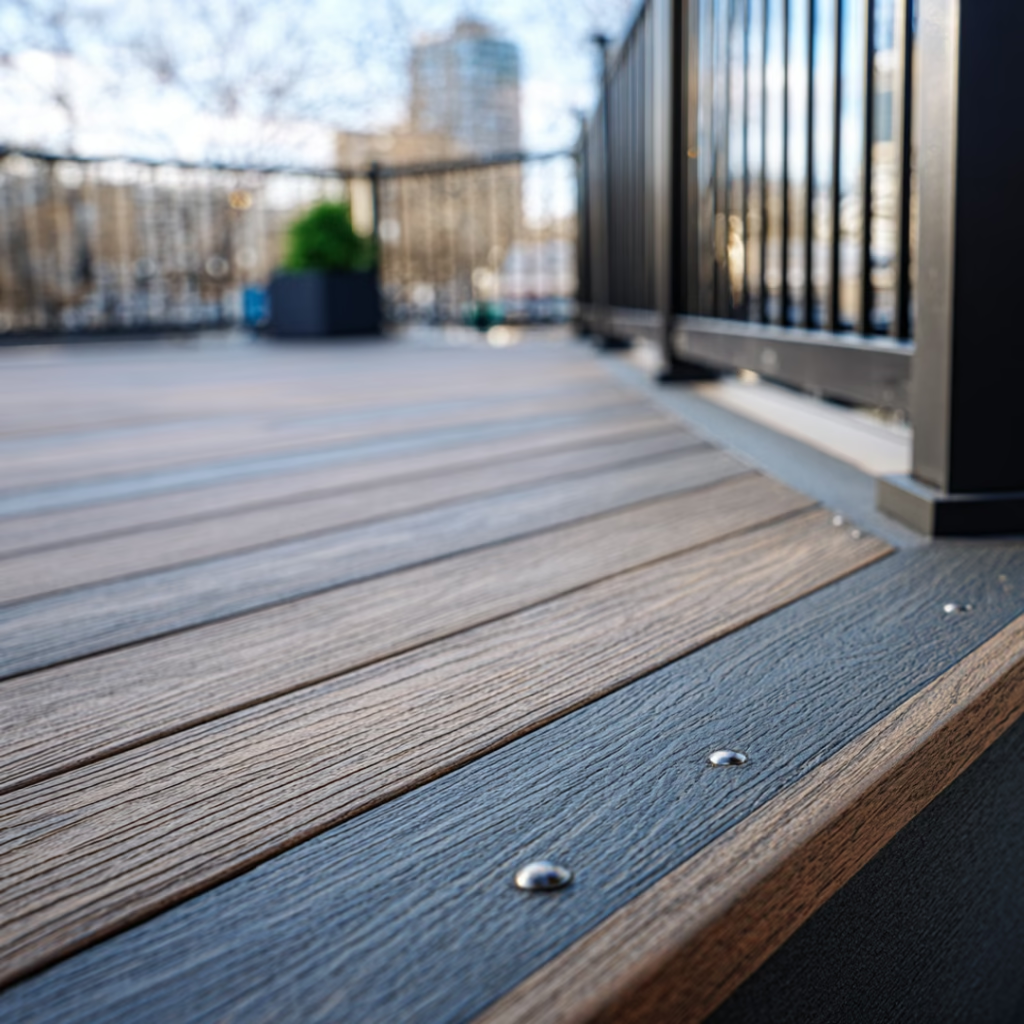
Look for splinters, raised fasteners, cupping, cracks, soft spots, loose boards, and gaps that trap debris. Composite boards should also be checked for movement, heat damage, staining, and support issues.
Surface-board condition does not prove the frame below is sound. Include both levels in every inspection.
Check Roofs, Gutters, and Drainage
Covered porches need roof and flashing inspections. Check shingles or membranes, roof edges, gutters, downspouts, ceiling staining, and wall intersections.
Keep drains and gutters clear. Water should move away from the building and supports. Rooftop decks require special attention to membrane access and roof drains; see our Chicago rooftop deck guide.
Spring Checklist
- Look for winter movement and freeze-thaw damage
- Clear leaves and debris from framing and drains
- Wash surfaces using product-appropriate methods
- Schedule wood coating after proper drying and preparation
- Tighten or replace approved loose hardware as needed
- Confirm lighting and exterior receptacles function safely
- Address insect activity and vegetation touching the structure
Fall Checklist
- Clear debris before snow accumulation
- Confirm drains, gutters, and downspouts are open
- Repair loose boards and railings before freezing weather
- Move planters that hold moisture against surfaces
- Store furniture without blocking exits or drainage
- Avoid placing excessive snow or heavy storage in one area
When to Call a Contractor
Seek professional assessment for movement, widespread rot, damaged stairs, unstable railings, settlement, separation from the building, repeated water damage, or uncertainty about concealed framing.
Our porch repair cost guide explains likely budget tiers. If damage is extensive, compare repair with full replacement.
Keep a Simple Maintenance Record
Photograph the same connections, posts, stairs, and drainage areas each season. Record coating dates, repairs, leaks, and contractor recommendations. A photo history makes gradual movement easier to identify and helps future contractors understand what changed.
Budget Construction Company inspects, repairs, and builds Chicago decks and porches. Request an assessment when seasonal maintenance reveals structural or safety concerns.
Reviewed by the Budget Construction Company Editorial Team
Budget Construction Company has served Chicago homeowners since 1976. Project costs and requirements vary by property, scope, and municipality.