
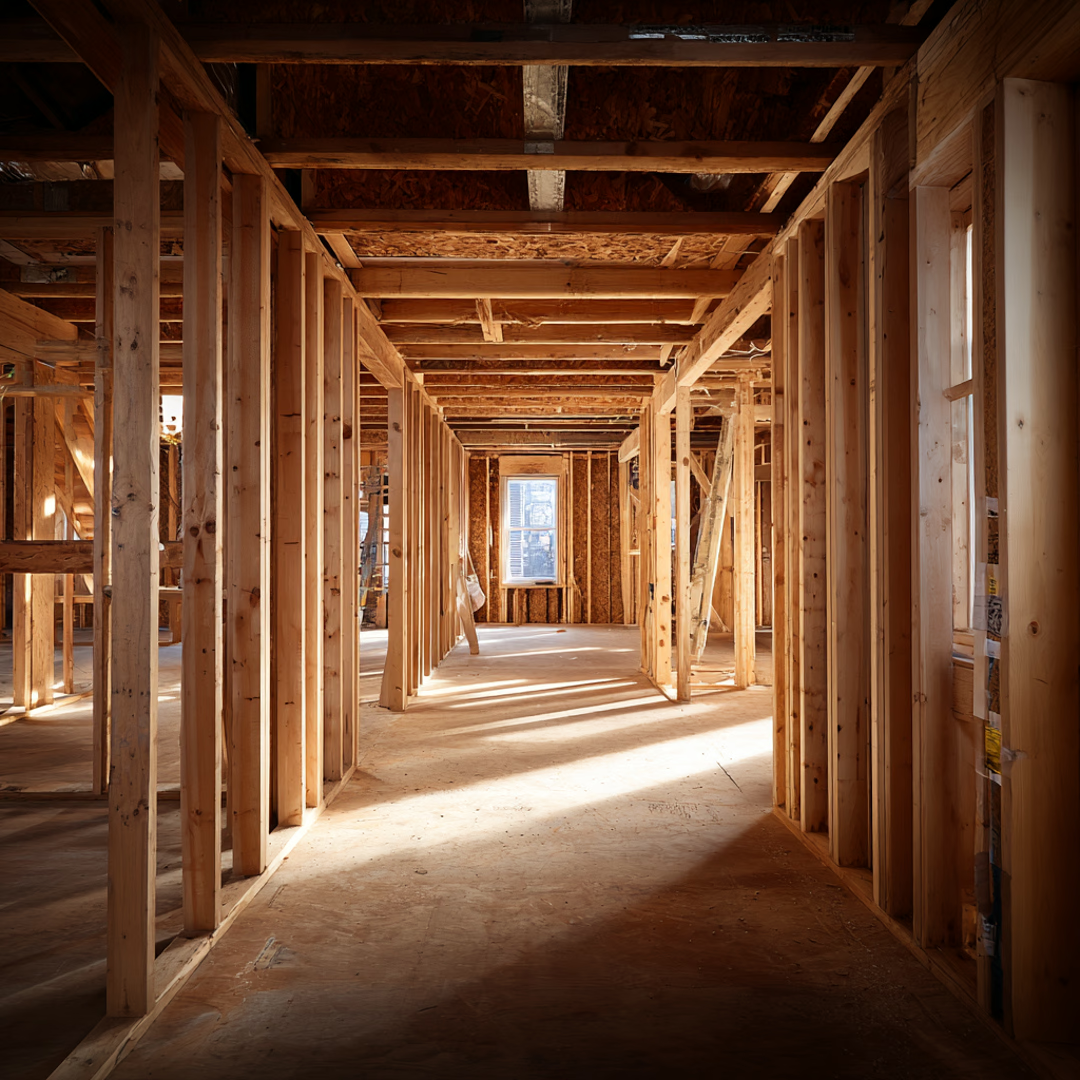
The goal of preconstruction investigation is not to predict every surprise. It is to identify the conditions most likely to change the scope, budget, or safety plan before demolition commits the project to a fixed schedule.
Outdated Electrical Systems
Older wiring, undersized panels, crowded circuits, ungrounded receptacles, and undocumented alterations can limit a kitchen, bathroom, or addition project. Modern appliances, electric cooking, HVAC equipment, heated floors, and vehicle chargers increase demand.
Have a qualified electrical professional evaluate service size, panel condition, grounding, circuit capacity, and visible wiring. If broad upgrades are needed, coordinate them before new walls, cabinets, and finishes make access difficult.
Galvanized Water Lines and Aging Drains
Galvanized supply pipes can corrode internally, reducing flow and eventually leaking. Older cast-iron drains may be serviceable in some homes and deteriorated in others. A remodel that adds fixtures or opens walls is an opportunity to inspect accessible piping and determine whether selective or broader replacement is justified.
Camera inspection can help evaluate buried or concealed drain lines. It is particularly useful before a basement finish, bathroom relocation, or project with a history of backups.
Lead Water Service Lines
Lead-Safe Chicago reports that a house or two-flat built before 1986 has a high likelihood of a lead service line unless it was replaced previously. The City's lead service line replacement information explains testing and current programs.
Do not assume interior copper piping means the exterior service is copper. Verify the service material separately and coordinate any replacement with excavation, basement, or plumbing work.
Moisture, Drainage, and Sewer Backup
Water can enter through foundation cracks, porous masonry, failed window wells, poor grading, roof drainage, plumbing leaks, and sewer backup. Each source requires a different correction.
Before finishing a basement, inspect during or shortly after heavy rain if possible. Look for staining, mineral deposits, musty odors, damaged framing, rust, peeling finishes, and active seepage. Read our Chicago basement moisture strategies for a more detailed diagnostic framework.
Foundation Movement and Structural Alterations
Cracks do not all mean the same thing. Some are stable shrinkage cracks. Others indicate movement, water entry, corrosion, or overloaded framing. Uneven floors may come from settling, damaged joists, undersized beams, altered bearing walls, or long-term deflection.
Also look for previous owners who removed walls, cut joists for plumbing, modified rafters, or added posts without proper footings. When the project changes structure or reveals questionable work, a structural professional should define the repair.
Roof, Masonry, and Exterior Water Paths
Interior renovation cannot stay dry if the exterior envelope is failing. Inspect roof penetrations, flashing, chimneys, parapets, gutters, downspouts, tuckpointing, window openings, and siding transitions.
Chicago freeze-thaw cycles enlarge small masonry defects. Water entering at the roof or wall can appear far from the original source, so trace the path before replacing interior finishes.
Hazardous Materials
Homes built before 1978 may contain lead-based paint. Older flooring, insulation, pipe wrap, mastics, siding, and other materials may contain asbestos. Testing and handling requirements depend on the material and work.
Do not rely on appearance alone. If planned demolition will disturb a suspect material, use appropriate testing and qualified professionals. Include abatement logistics in the schedule rather than discovering them after demolition is underway.
Inadequate Ventilation and Combustion Safety
Kitchen and bathroom exhaust may terminate in an attic, wall cavity, or other improper location. Older furnaces and water heaters may have venting or combustion-air concerns. Air sealing and insulation can change how the house behaves, so energy improvements should be coordinated with mechanical safety.
Previous Unpermitted Work
Finished basements, enclosed porches, attic bedrooms, relocated kitchens, and added bathrooms may not match public records or current requirements. This does not automatically dictate one solution, but the project team needs to understand what exists before promising that a permit will be straightforward.
Start with available records and compare them with the physical building. Your contractor, architect, or permit professional can then identify what requires clarification.
A Practical Preconstruction Checklist
- Electrical service, panel, grounding, and visible wiring
- Water service, supply piping, drains, and sewer condition
- Roof, flashing, masonry, gutters, and grading
- Foundation cracks, framing, beams, and altered bearing walls
- Basement moisture and backup history
- Ventilation, HVAC, and combustion appliances
- Potential lead paint and asbestos-containing materials
- Permit history and existing legal use
Set a contingency based on what remains unknown. A finished, occupied home naturally limits inspection, but selective openings, camera work, records review, and professional assessments can reduce uncertainty substantially.
For broader planning, compare a gut renovation with a partial remodel and review our guide to historic Chicago bungalow and greystone remodeling.
Budget Construction Company provides whole-home remodeling and targeted renovations across Chicago. Schedule an assessment before finalizing the scope of an older-home project.
Reviewed by the Budget Construction Company Editorial Team
Budget Construction Company has served Chicago homeowners since 1976. Project costs and requirements vary by property, scope, and municipality.