
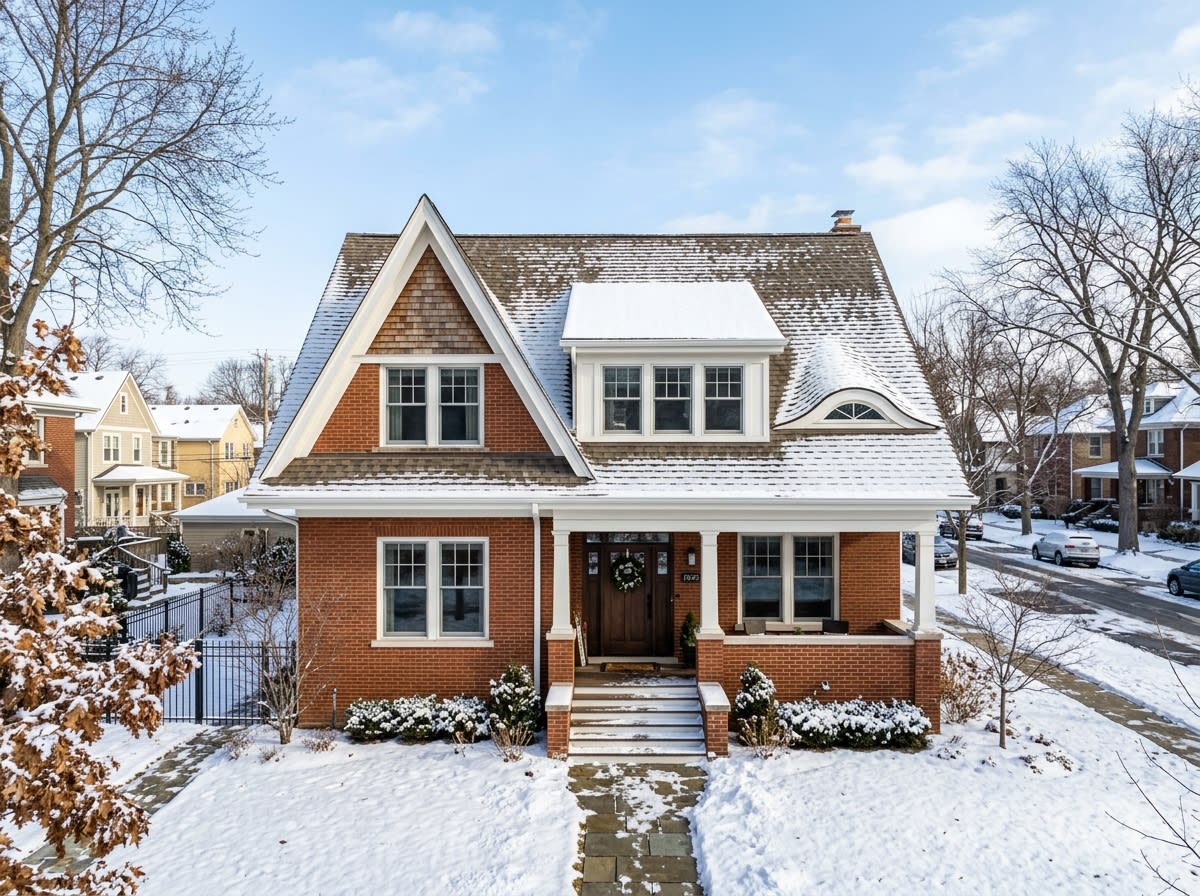
Not all dormers are created equal, and in Chicago the difference matters more than it does in milder climates. Our heavy snow loads and relentless freeze-thaw cycles put real stress on roof structures, so the dormer style you choose affects not only how much light and space you gain but also how well your roof sheds snow and resists water over decades. The three most common styles, shed, gable, and hip roof dormers, each have distinct strengths and tradeoffs. Understanding how they compare on space, light, cost, and weather performance helps you choose the right one for your home and your attic goals.
The Shed Dormer: Maximum Space and Headroom
A shed dormer has a single roof plane that slopes gently in the same direction as the main roof, extending out from it. This simple geometry is what makes the shed dormer the champion of usable space. Because it spans a wide section of the roofline and creates a large area of full headroom, it can transform a cramped attic into a genuine room, which is why shed dormers are the go-to choice when the goal is a full bedroom, a primary suite, or a sizable home office.
The shed dormer's main consideration in Chicago is its low roof slope. A shallow pitch sheds snow and water less aggressively than a steep one, so proper design matters: adequate slope, quality roofing, and careful flashing keep a shed dormer watertight through Chicago winters. Done correctly, a shed dormer performs reliably, but it should be built by someone who understands how to detail a low-slope roof for our climate. It is also the style most likely to look like a large addition rather than a subtle architectural feature, so its appearance suits some homes better than others.
The Gable Dormer: Classic Looks and Strong Weather Performance
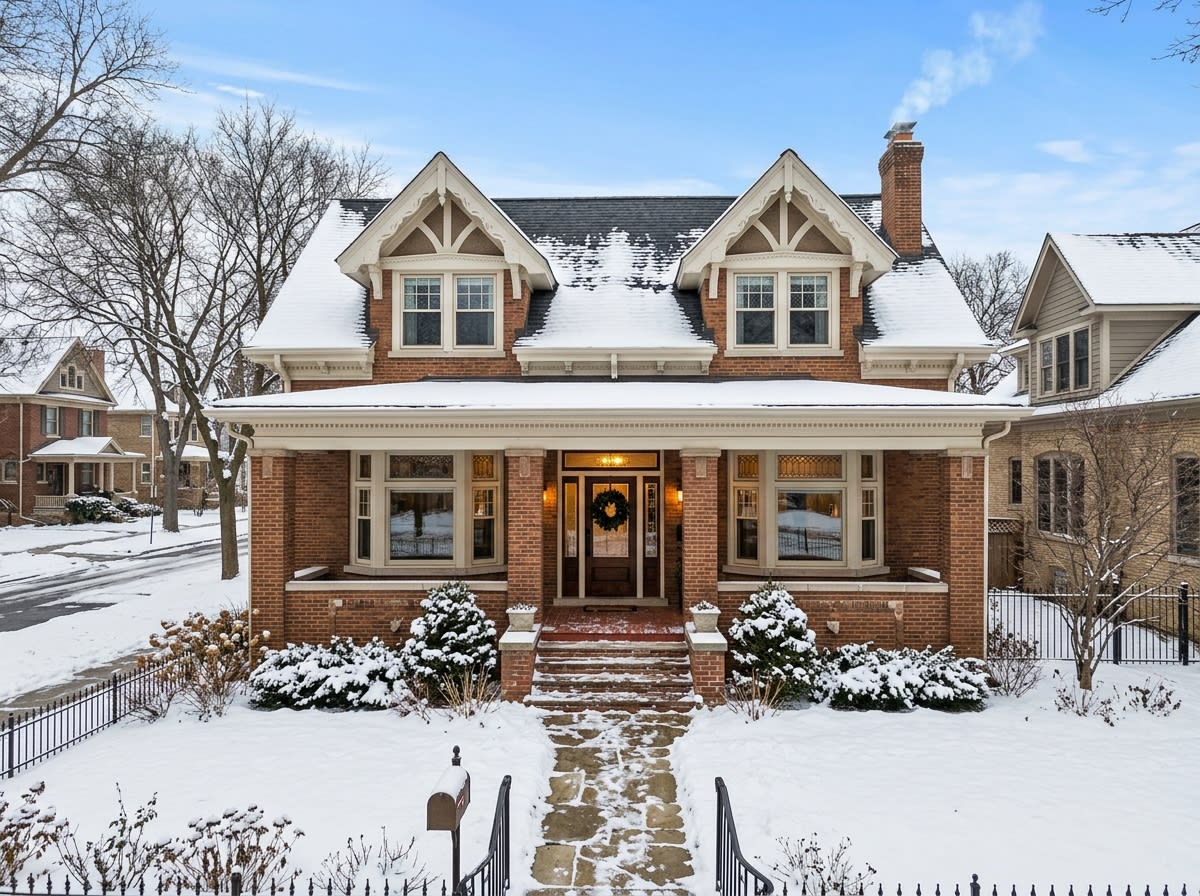
A gable dormer is the classic peaked dormer, with two roof planes meeting at a ridge to form a small triangular gable, usually framing a single window. Its strength is appearance and weather performance rather than maximum space. The steeper, peaked roof sheds snow and water efficiently, which is a genuine advantage in Chicago, and the style complements many traditional home designs, from Victorians to classic bungalows, adding charm and curb appeal.
The tradeoff is space. A single gable dormer adds light and a modest amount of headroom but far less usable floor area than a shed dormer of similar width. Homeowners often use multiple gable dormers across a roofline to gain more light and visual rhythm while preserving a traditional look. If your priority is character, daylight, and excellent snow shedding rather than carving out a large room, the gable dormer is frequently the best fit, and its efficient roof geometry handles Chicago weather very well.
The Hip Roof Dormer: Balanced Design for Complex Rooflines
A hip roof dormer has three sloped roof planes rather than a peak or a single slope, giving it a softer, more rounded profile. This style blends gracefully into homes that already have hip roofs and complex rooflines, and it offers a middle ground between the gable and shed in both space and appearance. The multiple slopes shed snow and water well, making the hip dormer a solid weather performer for Chicago.
The hip dormer's tradeoff is complexity and cost. Its three roof planes and the valleys and flashing they create require more skilled framing and roofing work than a simple gable, which raises the price for a dormer of comparable size. The payoff is an elegant, well-integrated look that suits certain architectural styles beautifully and stands up to the elements. For homeowners whose homes call for it and who want a refined appearance with good weather resistance, the added cost is often worthwhile.
How Each Style Handles Chicago Weather
Weather performance comes down largely to roof slope and detailing. Steeper roofs, like those on gable and hip dormers, shed snow and water readily and are less prone to ice and water pooling, which is why these styles are forgiving in Chicago winters. The shed dormer's low slope demands more careful design to perform equally well, but it is entirely capable of doing so with the right pitch, roofing materials, and flashing.
Across all styles, the details that matter most in our climate are insulation, air sealing, and flashing. A dormer is a place where new construction meets old roof, creating seams that must be sealed against water and air. Quality flashing where the dormer ties into the main roof, proper insulation to prevent heat loss and the ice dams it can cause, and good ventilation all determine whether a dormer stays dry and efficient through decades of freeze-thaw cycles. The style sets the starting point, but the construction quality determines the outcome.

Matching the Dormer to Your Home's Architecture
Beyond space and weather, the dormer style should respect your home's architecture, because a mismatched dormer can hurt both appearance and resale value. Chicago's housing stock is wonderfully varied, and different styles suit different dormers. Classic bungalows often wear shed dormers gracefully across the rear, where the added space is most useful and the front-facing character is preserved, while a modest gable dormer can suit the front. Victorians and other ornate styles typically pair best with gable or hip dormers that echo their existing rooflines and detailing rather than a large, flat shed that would look out of place.
Homes in historic districts deserve particular care, since a dormer that clashes with the neighborhood's character may face design review and, more importantly, can diminish a home's charm. The goal is a dormer that looks like it was always meant to be there. Matching rooflines, trim, window proportions, and materials to the existing house is what achieves that, and it is worth involving a designer who understands the architectural style you are working with. Our guide to dormers on historic Chicago homes goes deeper on this for period properties.
Windows, Light, and Interior Function
Part of choosing a dormer is thinking about how the space will actually be used, because that shapes the window and layout decisions within each style. A shed dormer's broad face accommodates multiple windows, flooding a room with light and making it suitable as a bedroom or office. A gable dormer typically frames a single window, providing a focused pool of light and a charming nook, which suits a reading area or a smaller room. Hip dormers fall in between and integrate well where a softer profile is desired.
Window placement and size also interact with code and comfort. If the dormer creates a bedroom, an egress window is required for safe exit, which influences both the style and the window selection. Generous glazing improves daylight but must be balanced with energy performance in Chicago's climate, so quality, well-insulated windows matter regardless of dormer style. Thinking through how you will live in the space, where the light should fall, and what the room needs to do helps confirm which dormer style truly fits, rather than choosing on exterior appearance alone.
Maintenance and Longevity by Style
How a dormer holds up over the years depends partly on its style and partly on its upkeep, and Chicago's climate makes both matter. The steeper roofs of gable and hip dormers shed snow and water efficiently and tend to need less vigilance against pooling and ice, while a shed dormer's low slope rewards attention to its roofing and flashing over time. Across all styles, the junctions where the dormer meets the main roof are the areas to watch, since flashing and seals there bear the brunt of freeze-thaw stress and are the most likely points for water intrusion if neglected.
Routine maintenance keeps any dormer performing well for decades. Periodically checking and maintaining the flashing, keeping gutters and roof drainage clear so water moves away from the dormer, and addressing any roofing wear promptly all protect the structure. Ensuring the dormer remains well insulated and ventilated prevents the heat loss and ice dams that Chicago winters can produce. A dormer of any style that is built with quality detailing and then maintained sensibly will serve reliably, while neglect undermines even the best initial construction. Choosing a style suited to your roof and committing to basic upkeep together determine the dormer's long-term success.
Combining Styles and Thinking About the Whole Roof
Choosing a dormer style is not always an either-or decision, and some of the most successful Chicago projects combine approaches thoughtfully. A home might use a large shed dormer at the rear, where space matters most and it is less visible from the street, while placing one or two gable dormers on the front for curb appeal and light. This kind of mixed approach lets a homeowner gain the space they need without compromising the home's street-facing character, balancing function and appearance across the roof.
Whatever combination you consider, it helps to think about the roof as a whole rather than treating the dormer in isolation. A new dormer changes how water and snow move across the roof, how the home looks from every angle, and sometimes how the attic ventilates. Designing with the full roof in mind ensures the dormer integrates structurally and visually rather than creating new drainage or appearance problems. An experienced designer or contractor will evaluate the entire roof when planning a dormer, which is part of why professional guidance produces results that both work better and look more intentional than a dormer added without that broader view.
Choosing the Right Dormer for Your Home
The best dormer style depends on three things: how much space and light you want, your home's architecture, and your budget. If maximum living area is the goal, a shed dormer usually wins. If you want classic charm and the best snow shedding with modest added space, gable dormers are ideal. If your home has a complex hip roof and you want a refined, integrated look, a hip dormer is worth its higher cost. Matching the style to your roof and your goals, and then building it with climate-appropriate detailing, is what produces a dormer that adds lasting value.
Cost naturally factors in too, and the styles differ meaningfully in price, as our dormer cost guide explains. Whatever style you choose will also need to meet local code and zoning, covered in our dormer permit guide. If you want help deciding which dormer style best suits your Chicago home, attic goals, and budget, contact us for a consultation and we will assess your roof and recommend the right approach.
Related Posts
- Dormer Addition Costs in Chicago 2026: What Homeowners Actually Pay
- Chicago Dormer Permits Explained: Navigating Building Codes Across Neighborhoods
- Chicago Historic Homeowners Guide to Dormer Additions That Match Your Architecture
Reviewed by the Budget Construction Company Editorial Team
Budget Construction Company has served Chicago homeowners since 1976. Project costs and requirements vary by property, scope, and municipality.