
This guide provides planning ranges for 2026. They are not bids. Your property, design, material selections, and existing conditions determine the actual price.
Quick 2026 Budget Ranges
For many Chicago-area homes, kitchen projects fall into three broad tiers:
- Focused update: approximately $25,000 to $45,000. Existing layout remains. Work may include cabinet refinishing or limited replacement, counters, backsplash, sink, lighting, paint, and selected appliances.
- Full mid-range renovation: approximately $50,000 to $100,000. New cabinets, counters, flooring, lighting, appliances, and coordinated plumbing and electrical work are typical. Minor layout changes may be included.
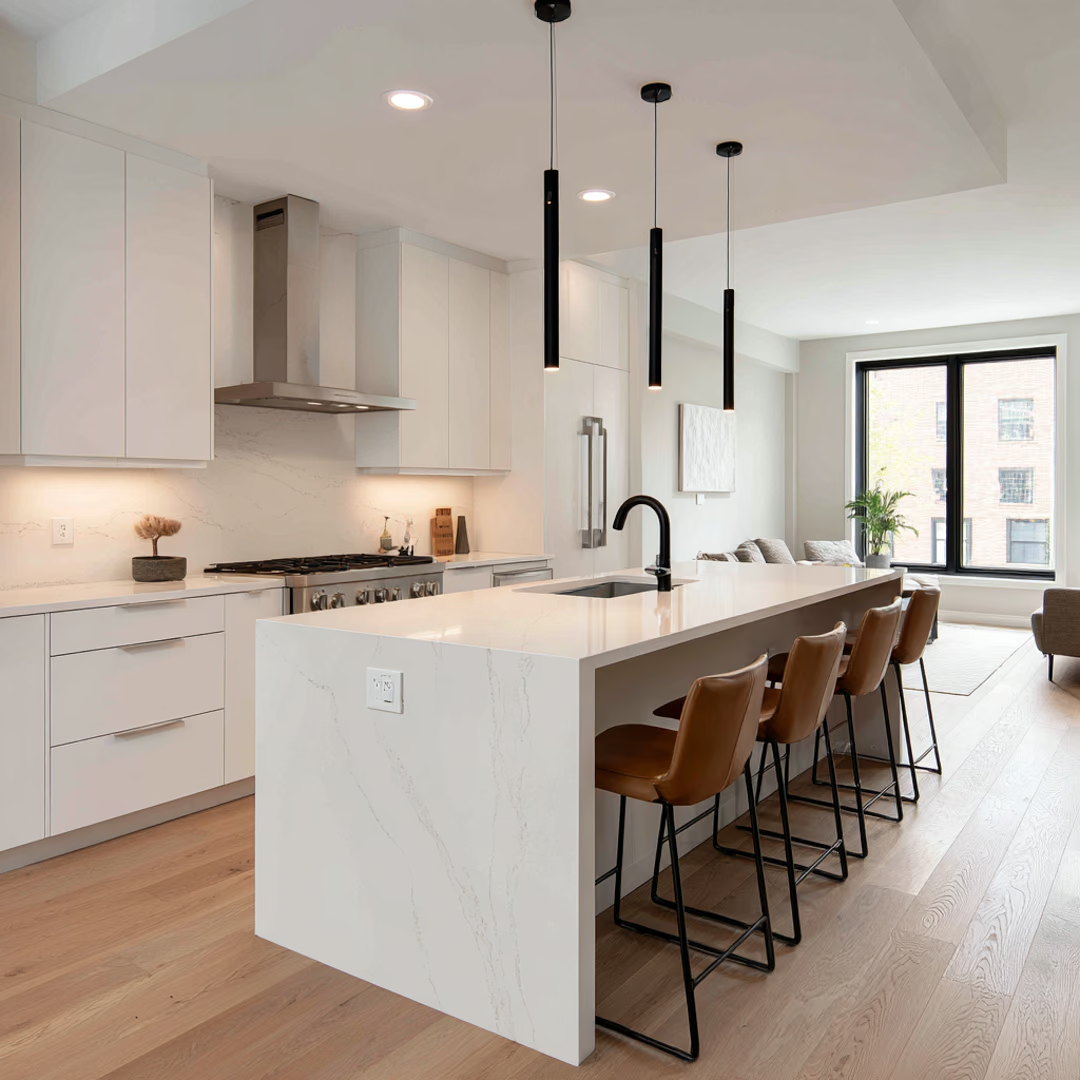
- Major or premium renovation: approximately $100,000 to $200,000 or more. Custom cabinetry, structural changes, premium appliances, large islands, extensive system upgrades, or work in a difficult condo or historic property can move a project into this range.
These ranges should include labor, material, project management, and normal trade coordination. Confirm whether design, engineering, permits, appliances, temporary facilities, and contingency are included in every estimate.
What Drives Chicago Kitchen Costs?
Cabinetry and storage
Cabinets often represent the largest material category. Stock cabinets control cost but offer fewer sizes and finishes. Semi-custom cabinetry provides more flexibility. Fully custom cabinets solve unusual layouts and historic-home conditions, but increase both fabrication cost and lead time.
Do not compare cabinets only by door style. Box construction, hardware, interior storage, finished panels, installation, trim, and modifications around uneven walls all affect the real installed price.
Keeping or changing the layout
Keeping the sink, range, and major appliances in their existing locations is usually the strongest cost-control decision. Moving them can require new supply lines, drains, venting, gas piping, electrical circuits, wall repair, and inspections.
Removing a wall requires more than demolition. A contractor may need to determine whether it is load-bearing, engage a structural professional, install temporary support, and add a beam or posts. Open-concept work is valuable when it improves circulation, but it should be priced as structural work rather than cosmetic demolition.
Electrical capacity
Modern kitchens need dedicated circuits for appliances and code-compliant receptacles. Older Chicago homes may have crowded panels, outdated wiring, or insufficient service. An electrical assessment should happen before the cabinet plan is finalized, especially when adding induction cooking, double ovens, beverage refrigeration, or other high-demand equipment.
Plumbing and hidden conditions
Galvanized supply piping, aging drains, previous unpermitted work, and water damage frequently appear after walls or floors are opened. In homes and two-flats built before 1986, homeowners should also investigate the water service material. Chicago's Lead-Safe Chicago program explains current service-line testing and replacement options.
Condos and high-rises
Condo renovations add association approval, insurance requirements, restricted work hours, elevator reservations, debris procedures, and protection of common areas. Read our Chicago condo renovation cost guide before applying single-family pricing to a condominium project.
A Better Way to Build the Budget
Start with the construction scope, then layer in owner-controlled selections.
- Define whether walls, doors, windows, plumbing, gas, or appliance locations will move.
- Confirm likely electrical, plumbing, ventilation, and structural requirements.
- Set cabinet and appliance allowances based on products you would genuinely purchase.
- Include permits, design, delivery, disposal, protection, and cleanup.
- Reserve a contingency, commonly 10 to 20 percent for older properties or uncertain conditions.
A budget without contingency is not a complete budget. If no hidden condition appears, the reserve remains yours. If one does, you can address it without sacrificing the parts of the kitchen that matter most.
Where to Save and Where Not to Save
Good places to control cost include retaining the layout, using a standard cabinet line, selecting durable mid-range counters, limiting decorative lighting, and choosing appliances around actual cooking habits.
Avoid cutting corners on waterproofing, electrical capacity, ventilation, structural work, cabinet installation, or subfloor repair. Those categories are difficult and expensive to correct after finishes are installed.
Comparing Kitchen Estimates
Require each bidder to identify demolition, protection, cabinets, counters, electrical, plumbing, flooring, backsplash, painting, permits, debris removal, and exclusions. A low total with broad allowances and undefined exclusions is not necessarily a lower-cost project.
Use our guide to comparing Chicago contractor estimates to normalize quotes before choosing a contractor.
Related Chicago Kitchen Planning Guides
- Kitchen layout fundamentals
- Kitchen remodeling ROI in Chicago
- Chicago remodeling permits
- Chicago climate flooring guide
For a project-specific scope and estimate, review our Chicago kitchen remodeling services or request a consultation.
Reviewed by the Budget Construction Company Editorial Team
Budget Construction Company has served Chicago homeowners since 1976. Project costs and requirements vary by property, scope, and municipality.