
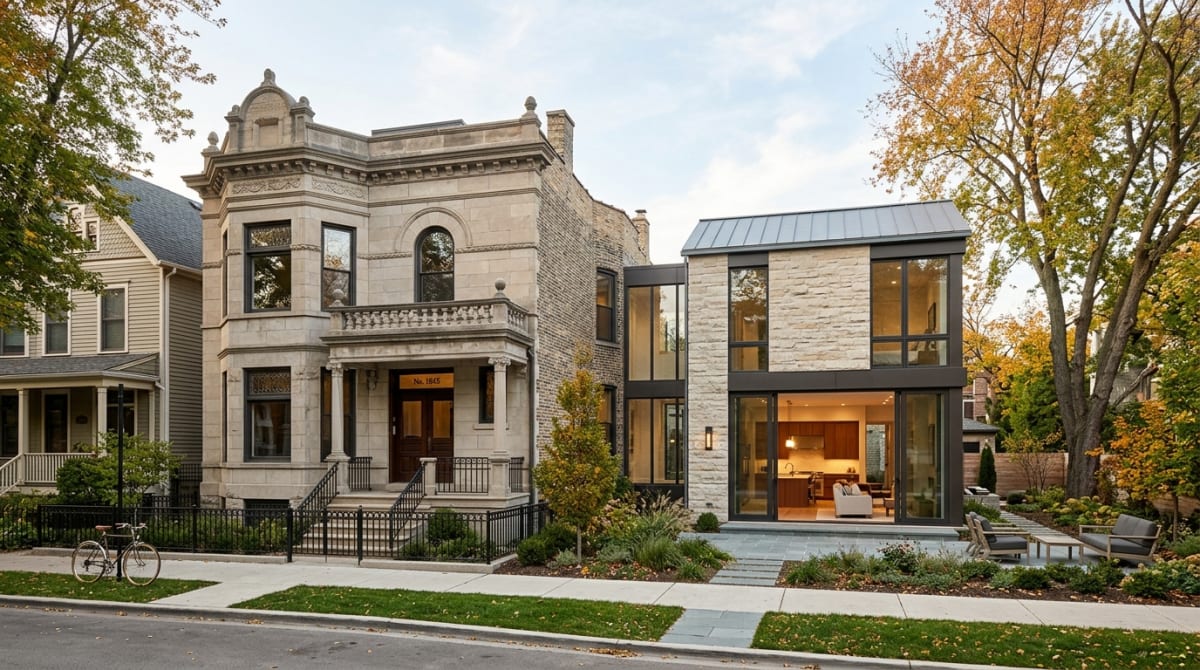
Chicago's historic neighborhoods require special care when adding space. Learn how to expand your vintage home while respecting its character and meeting local requirements.
Chicago homeowners in historic neighborhoods—Lakeview, Rogers Park, Lincoln Square, Oak Park, and the Gold Coast—face a rewarding but complex challenge when planning room additions. You own a piece of Chicago architectural history. A 1920s greystone with original details, a Victorian with period trim, or a Frank Lloyd Wright-influenced bungalow carries architectural character worth preserving. Yet you also want modern space for your family—bedrooms, bathrooms, an office, expanded kitchen. Adding space to these historic homes demands balancing historic preservation with practical modern living. Design review boards in Chicago's historic districts require that additions be architecturally compatible. Strict preservation guidelines govern materials and appearance. Structural challenges of century-old construction complicate engineering. Yet thoughtfully designed additions work beautifully in historic homes, expanding space while respecting the character that makes these homes worth preserving. This guide walks through the practical considerations for adding space to Chicago's historic housing stock, helping you navigate preservation requirements while creating additions that serve your family.
Understanding Historic District Preservation Guidelines
Chicago's historic neighborhoods operate under design review requirements that newer neighborhoods don't have. In historic districts designated by the City of Chicago or in neighborhoods with local landmark status, any exterior modifications including room additions require approval from the Chicago Commission on Chicago Landmarks or local historic district review boards. These boards exist to preserve neighborhood character and architectural integrity. Before you can build a room addition in a historic district, your design must receive approval from the preservation authority.
Specific guidelines vary by historic district and by property. Some districts are very strict about matching original materials and architectural details. Others allow more modern interpretations as long as the addition is architecturally respectful. Evanston's historic preservation requirements are particularly stringent because much of Evanston is historic district. Oak Park's requirements reflect the neighborhood's Frank Lloyd Wright legacy and distinctive architectural character. Rogers Park, Lakeview, and Lincoln Square have varying levels of preservation strictness depending on specific block designations. Before planning a room addition, obtain your specific historic district's design guidelines and understand what they require or prohibit.
The good news is that preservation boards aren't opposed to well-designed additions. They oppose additions that look tacked-on, use incompatible materials, or disrespect the home's architectural period. A thoughtfully designed addition that matches materials, respects proportions, and enhances rather than undermines neighborhood character typically receives approval. The review process adds time and requires quality design, but it's navigable if you work with architects experienced in historic preservation.
Design Principles for Historic Home Additions
Successful additions to historic Chicago homes follow design principles that respect the original architecture while serving modern needs. The most fundamental principle is compatibility rather than exact replication. Your addition doesn't need to look exactly like the original structure. It should be clearly contemporary while being respectful of the original period and proportions. A modern addition that announces itself as new while harmonizing with existing materials and lines often receives preservation board approval more readily than an addition that pretends to be original.
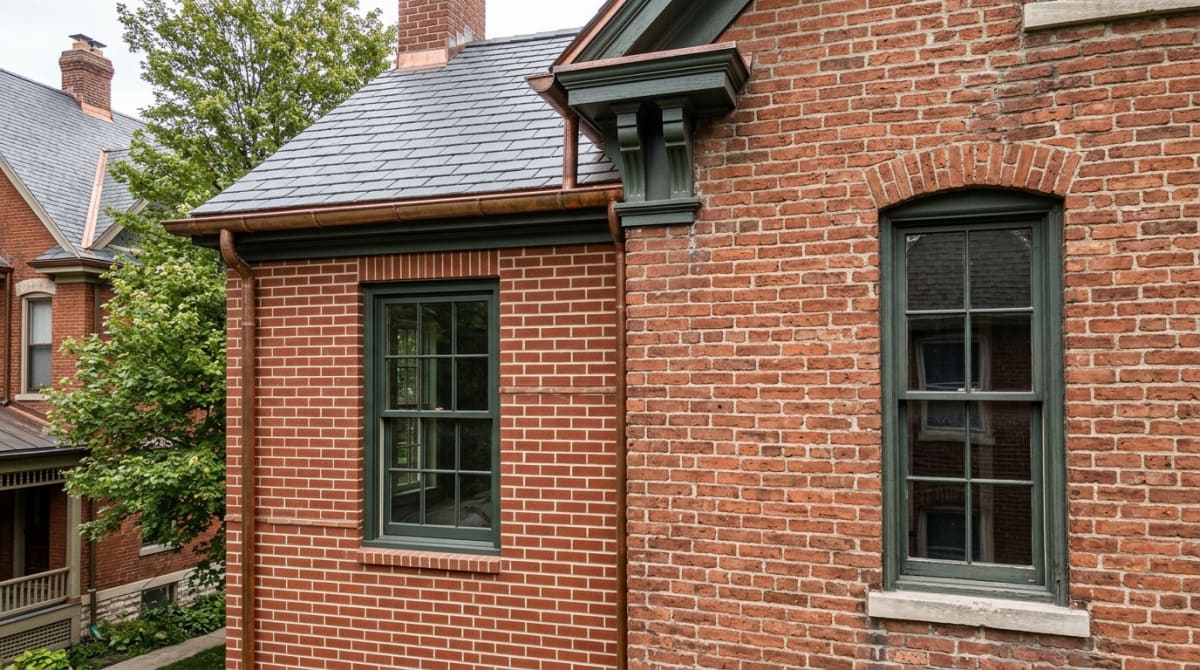
Material compatibility is critical. Match brick, stone, or siding materials to existing exterior finishes. If your home is brick, your addition should be brick. If it's limestone or stucco, match those materials. Window styles should be compatible with existing windows—if your home has single-hung historic windows, new windows should align with that style rather than introducing completely different window types. Roof lines should relate logically to existing roof structure rather than looking randomly attached. Door proportions and placement should respect the home's architectural logic.
Scale and proportion matter enormously. Historic homes were designed with specific proportions and rhythms. An addition that's dramatically larger than the original structure or that breaks existing proportional relationships looks wrong and draws preservation board objections. Additions that are appropriately scaled to the original structure, even if clearly contemporary, typically harmonize better. A second-story addition on a one-story bungalow must be designed to feel integrated rather than like a different structure placed on top.
Setback from the original structure is another design principle that works well in historic districts. Rather than building the addition flush against the original structure, setting it back slightly announces that the addition is new while maintaining visual connection. This approach allows the original structure to remain visually primary while the addition reads as secondary, complementary space. Preservation boards often favor this approach because it respects the original structure's integrity while clearly showing that new space is being added.
Structural and Engineering Challenges in Historic Homes
Adding space to historic Chicago homes presents structural challenges that newer construction doesn't have. Foundations in 1920s greystones and Victorians are typically solid—often more robust than modern foundations—but they're also fixed and not designed to accommodate modifications. Adding a second story requires structural engineering to confirm that existing foundations can support additional weight. Adding a first-floor addition requires that new foundations be properly integrated with existing structure without compromising either.
Older homes often have limited knowledge about what lies beneath. A greystone built in 1910 might have original fieldstone foundation, brick, or concrete—you won't know until excavation begins. This uncertainty means structural surprises during construction are more common in historic homes. Budget contingency (typically 15-20% of estimated cost) becomes even more important in historic additions because of this structural uncertainty. Having a structural engineer assess your home thoroughly before design and permitting reduces surprise costs significantly.
Original plumbing and electrical systems in historic homes are typically outdated and inadequate for modern needs. Adding space means extending or replacing systems that might be 100 years old. This work is more complex than extending systems in newer homes. Professional assessment of existing systems before you commit to your addition project helps you understand upgrade costs. Some historic additions require significant system modernization beyond just extending systems to new space.
Moisture is another historic home challenge. Older homes weren't built with modern moisture barriers and vapor management. Adding space to homes with moisture issues requires addressing those issues as part of the addition work. A basement that's historically damp presents challenges if you're adding below-ground space. Crawl spaces with moisture problems need resolution before adding above them. Again, pre-project assessment of moisture conditions prevents expensive mid-project discoveries.
Working with Design Review Boards
Successfully navigating design review requires professional collaboration. Hire an architect experienced in historic preservation in your specific Chicago neighborhood. They understand the local design guidelines, know what review boards in your district have approved historically, and can design additions that satisfy preservation requirements while serving your needs. Architectural fees for historic projects are higher than for standard additions because of the specialized expertise required, but this investment typically saves money and time by producing designs that receive approval on first or second submission rather than designs that face multiple revisions.
Before submitting your design for formal review, consider requesting a pre-application meeting with your historic district review board. Many boards offer this process where you present preliminary design concepts and receive feedback before investing in detailed design. This feedback shapes your final design to align with what the board will likely approve, reducing revision cycles and timeline. Some architects can attend these pre-application meetings on your behalf, presenting your vision and gathering feedback.
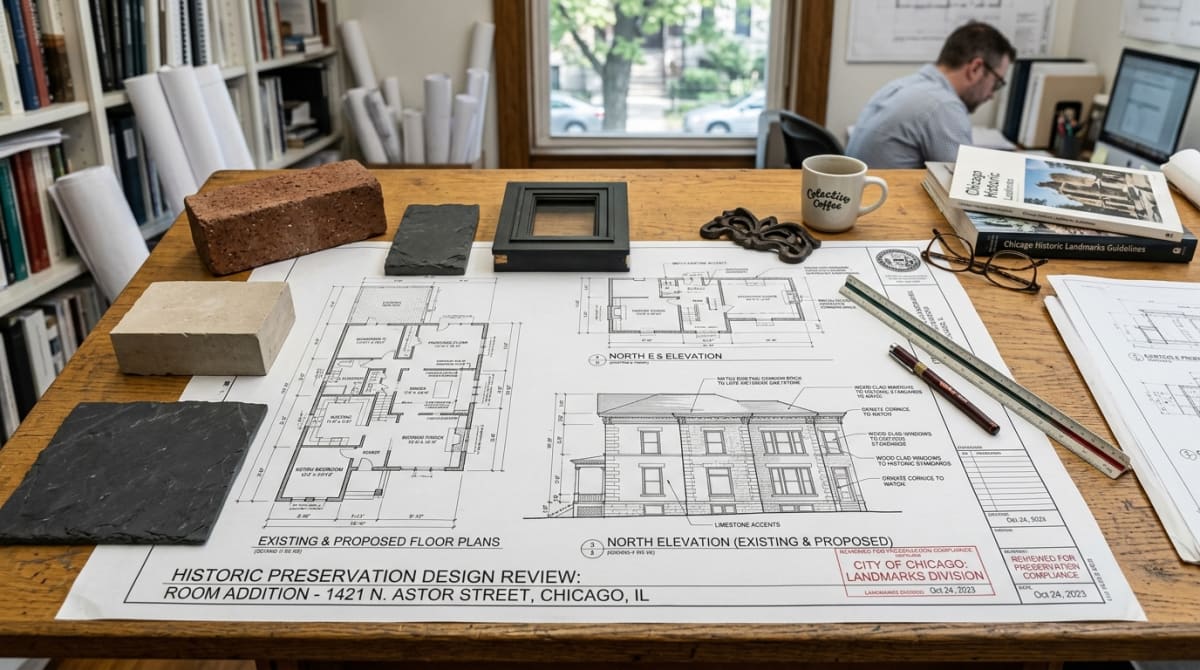
When you submit your design for formal review, provide comprehensive materials showing how your addition respects the historic structure. Elevations showing the addition in relation to the existing home, material samples, window designs, and architectural details all help the review board understand your vision. Narrative explanation of your design approach—how you're respecting the historic structure while adding modern space—provides context. Well-prepared submissions typically move through review faster than poorly documented submissions.
Accept that design review might require revisions. If the board asks for changes, view that as input helping you create a better addition rather than an obstacle to your project. Boards rarely reject well-designed proposals; they ask for refinements that make the addition more compatible with historic context. Flexibility and willingness to incorporate feedback typically results in approval.
Real-World Examples: Historic Addition Approaches
Several approaches work well for adding space to Chicago's historic homes. A back addition on a Victorian or greystone that extends the structure horizontally while remaining modest in scale works within preservation guidelines. The addition extends space without dramatically changing the home's public face. Back additions are less visible from the street than front additions, making them easier to design in ways the preservation board approves.
A side addition on homes with side yard space creates new rooms while maintaining the home's street-facing character. A side addition should be designed to step back from the original structure's front elevation so the original structure remains visually primary. This approach works particularly well for narrow historic homes where side space exists but front space is limited by setback requirements.
Upper-level additions on Victorian and greystone homes can work when designed to match the home's existing architectural period and proportions. A second story that matches the existing home's brick and architectural details can feel like a natural expansion. This approach requires careful structural engineering and design detail work to execute successfully, but it can work beautifully when done thoughtfully.
Interior expansions using existing footprints—removing walls to combine rooms, adding built-ins, modernizing kitchens and bathrooms within the original envelope—preserve exterior character while improving interior functionality. Many historic homes can accommodate modern living through interior reconfiguration without exterior additions. This approach often requires no preservation board review and avoids the time and expense of addition design and permitting.
Permits and Timeline for Historic Home Additions
Historic district additions require permits plus design review approval, extending timeline beyond non-historic additions. A typical historic home addition timeline is six to eight months from initial design through permit approval—significantly longer than the four to five months standard for non-historic Chicago additions. Design review boards operate on their own timeline and process, and you must wait for their input before submitting building permits in many cases.
Your project timeline therefore includes: initial design development (6-8 weeks), pre-application meeting if offering (2-4 weeks), design refinement based on board feedback (4-6 weeks), formal design review submission and approval process (4-8 weeks), plan modification if required (2-4 weeks), building permit application and approval (4-6 weeks). This sequential process can't be rushed. Building permits often can't be submitted until design review is complete, so you can't parallelize these processes the way you might in non-historic situations.
Budget realistic timeline expectations with your contractor. A contractor experienced in historic additions knows this timeline and plans for it. Contractors unfamiliar with historic preservation sometimes underestimate timeline, creating frustration when the design review process takes longer than anticipated.
Cost Implications of Historic Preservation
Historic additions typically cost 10-25% more than comparable non-historic additions because of design complexity, preservation board coordination, and higher-quality materials required by preservation guidelines. If a comparable non-historic addition costs $60,000, a historic version of similar scope might cost $66,000-75,000. The additional cost reflects legitimate factors: qualified architects cost more, preservation-compliant materials sometimes cost more, design review time requires coordination, and the complexity of adding to historic structures costs more to execute properly.
This cost premium is an investment in preserving your home's character while adding space. It's money well spent if you value your home's historic integrity. However, understand upfront that adding space to historic homes costs more than standard additions. Budget accordingly and understand what you're getting for the additional cost.

Next Steps for Your Historic Home Addition
Before committing to adding space to your historic home, obtain your specific historic district's design guidelines and understand what preservation requirements apply. Have a structural engineer assess your home's structural condition and whether additions are structurally feasible. Hire an architect experienced in historic preservation in your specific Chicago neighborhood. Request a pre-application meeting with your design review board to discuss preliminary concepts before investing in detailed design. Budget realistic timeline (6-8 months minimum) and costs (10-25% premium for historic work) for your project.
Budget Construction has completed additions on historic homes throughout Chicago's neighborhoods—Lakeview, Rogers Park, Lincoln Square, Oak Park, and beyond. We work with architects experienced in preservation, understand design review requirements in different historic districts, and know how to design and build additions that honor historic character while serving modern families. If you're planning an addition to your historic Chicago home and want guidance on preserving character while adding space, visit https://budgetconstructioncompany.com/ to schedule a consultation. We'll discuss your home's architectural period and preservation requirements, help you understand what's possible, and guide you through the process of adding space respectfully.
Related Posts
- First Floor vs. Second Story Addition: Chicago Homeowner's Complete Decision Guide
- Room Addition Costs in Chicago 2026: Neighborhood-by-Neighborhood Pricing Guide
- Chicago Room Addition Permits 2026: What Homeowners Need to Know Before Breaking Ground
Reviewed by the Budget Construction Company Editorial Team
Budget Construction Company has served Chicago homeowners since 1976. Project costs and requirements vary by property, scope, and municipality.