

Chicago's historic neighborhoods demand exterior materials that honor architectural integrity while standing up to our harsh winters. The siding that looks perfect on a 1950s ranch in suburban Chicago would clash with a 1920s bungalow in Portage Park or a Victorian in Rogers Park. Historic Chicago homes were designed with specific architectural styles—Victorians with ornate detail, bungalows with horizontal emphasis, brownstones with stone dignity, Craftsman homes with natural materials—and siding replacement should respect these styles. Choosing appropriate siding preserves your home's character, maintains neighborhood cohesion, and protects property values. Mismatched siding can diminish a home's appeal and value, particularly in historic neighborhoods where architectural consistency matters. Understanding which siding materials work best with different Chicago architectural styles helps you make replacement decisions that honor your home's heritage while providing modern durability and performance.
Understanding Chicago's Diverse Historic Architecture
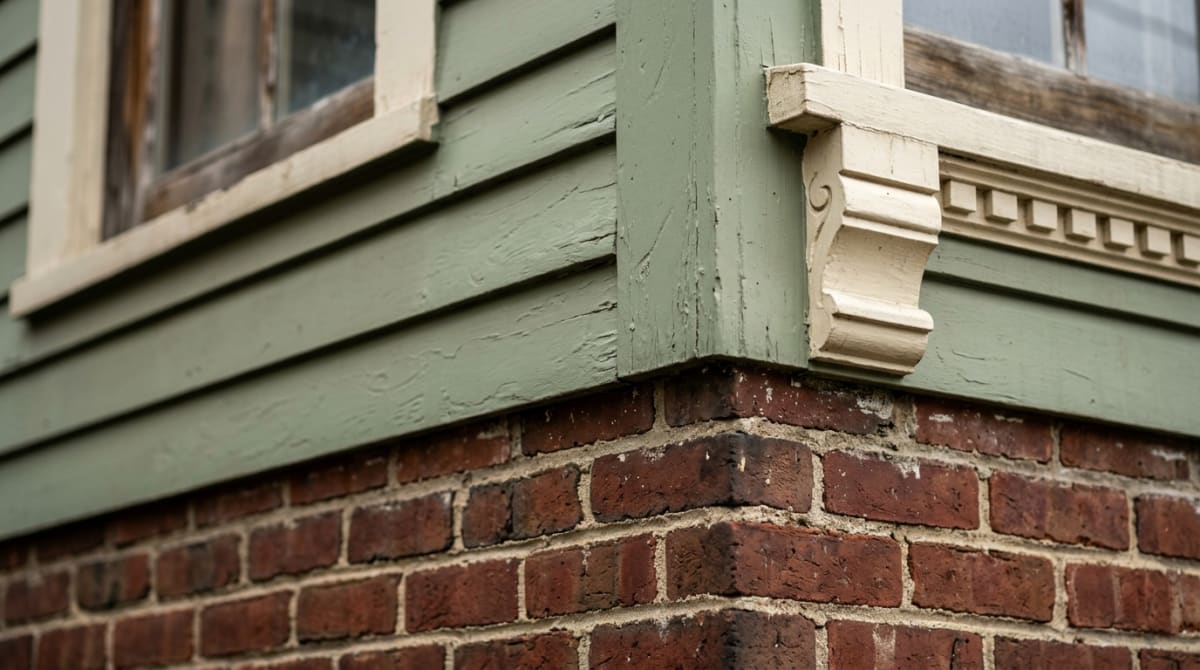
Chicago's neighborhoods feature distinct architectural styles, each with specific siding expectations. Victorian homes—common in Rogers Park, Lakeview, and Lincoln Park—feature ornate detailing, turrets, varied textures, and rich colors. Bungalows—dominant in Portage Park, Lincoln Square, and throughout the city—have horizontal emphasis, broad porches, and simple but carefully proportioned details. Brownstones and greystones—particularly in Lincoln Park and along the lakefront—feature stone facades and formal dignity. Craftsman homes—scattered throughout the city and more common in suburbs—emphasize natural materials and honest construction details.
Each style has siding materials that feel period-appropriate and enhance character. Each style also has choices that clash and diminish the home's appeal. A Victorian with bright blue vinyl siding looks wrong. A bungalow with vertical board-and-batten might clash with its horizontal design. A brownstone with smooth vinyl contradicts its stone quality. Understanding what materials support your home's architectural style is essential for replacement decisions.
Victorian Homes: Ornate Detail and Historic Materials
Victorian homes deserve siding that respects their elaborate design. Original Victorians often featured ornate wood siding with detailed trim, multiple colors, and varied textures. Some featured brick or stone, others featured wood.
For Victorian siding replacement, wood siding respects the original material if you're willing to maintain it. Cedar or composite wood siding painted in period-appropriate colors (typically deep jewel tones or neutral grays rather than bright modern colors) honors Victorian character. The maintenance commitment is significant—repainting every five to seven years in Chicago's harsh climate—but results are architecturally authentic.
Fiber cement siding offers a middle ground. It mimics original wood appearance, can be painted in period colors, performs well in Chicago's climate, and requires less maintenance than actual wood. For Victorians where authentic wood is ideal but maintenance concerns are realistic, quality fiber cement is an excellent compromise.
Avoid smooth vinyl or metal siding on Victorians. These materials lack the visual texture and detail that characterizes Victorian design. They read as obviously modern replacements that clash with the home's character. If budget is extremely tight and Victorian character less critical, vinyl is acceptable, but fiber cement should be the minimum standard for Victorian neighborhoods.
Bungalows: Horizontal Emphasis and Craftsman Details
Chicago bungalows are defined by horizontal emphasis—broad roof lines, wide porches, horizontal trim bands—and Craftsman details like exposed rafter tails and natural materials. Siding replacement should respect this horizontal character.
Wood siding, particularly board-and-batten or horizontal lap siding, respects bungalow character beautifully. Stained wood in warm natural tones complements the Craftsman aesthetic. Again, maintenance is required, but authentic results are achievable.
Fiber cement lap siding in warm tones is an excellent compromise for bungalows. It can be stained in natural finishes rather than painted, which reads as more authentic to Craftsman design. The horizontal orientation complements the home's design, and performance in Chicago climate is excellent.
Brick is appropriate for bungalows that originally featured brick. Replacing deteriorating brick with new brick in matching color and pattern preserves authenticity. If your bungalow originally had wood siding, adding brick where there was none creates architectural confusion.
Avoid vertical board-and-batten or standing seam metal siding on bungalows. The vertical emphasis contradicts the horizontal design that defines bungalows. Modern aesthetic choices that clash with period design diminish rather than enhance the home.
Brownstones and Greystones: Stone and Solid Dignity
Chicago brownstones and greystones are defined by their stone facades—brownstone in some neighborhoods, greystone in others. The stone conveys permanence, quality, and formal architecture.
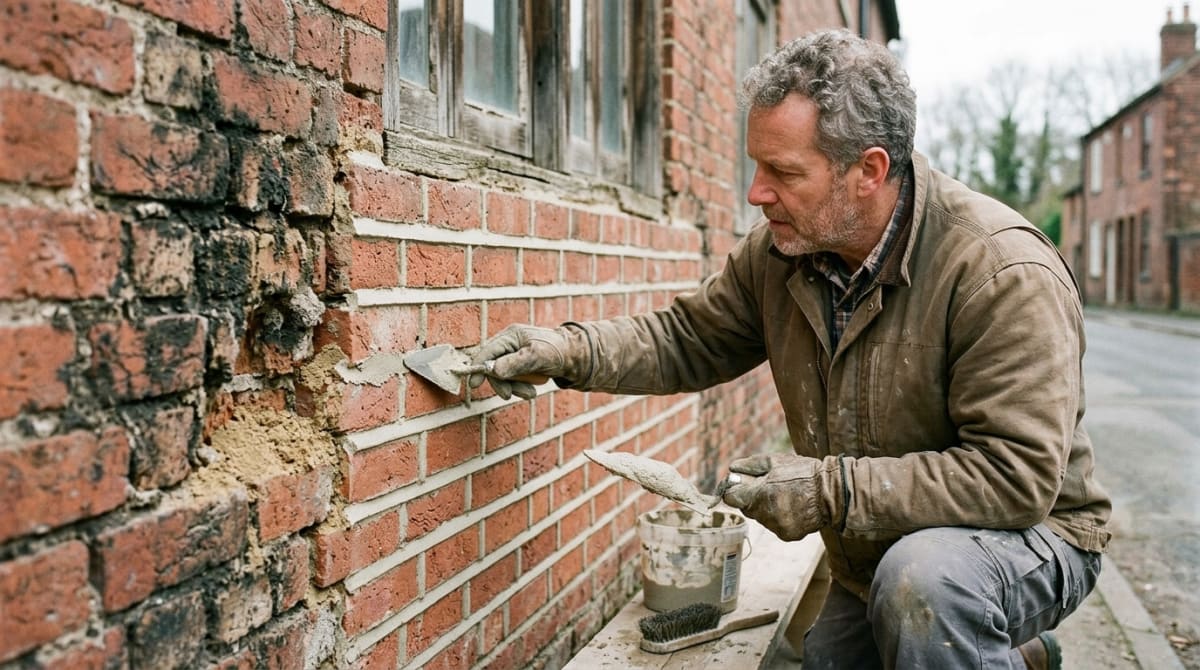
When stone is original and in good condition, preservation of original stone is always preferable to replacement. Professional cleaning, repointing of mortar, and occasional stone repair maintain the home's authentic appearance and value.
When stone deteriorates significantly or must be replaced, matching stone in color and type is essential. Replacing greystone with a different stone or different color creates architectural confusion. This is why stone replacement in historic neighborhoods often requires preservation board approval—to ensure replacements match originals.
Wood siding is never appropriate for brownstones or greystones. These homes are defined by stone architecture. Covering it with siding fundamentally changes the home's character and typically reduces property value in historic neighborhoods.
For portions of brownstones or greystones not originally covered in stone—perhaps the back of the home or lower levels originally stone-faced—fiber cement or quality wood siding can be appropriate if it matches the formality and quality of the original stone facade.
Craftsman Homes: Natural Materials and Honest Design
Craftsman homes emphasize natural materials, honest construction, and handcrafted details. Original Craftsman siding often featured natural wood, sometimes with stone accents or interesting details.
Wood siding in natural stains (rather than painted finishes) respects Craftsman aesthetic. Shingle siding, board-and-batten, or other natural wood treatments honor the style's emphasis on natural materials. Cedar or quality composite wood properly maintained is ideal.
Fiber cement can mimic wood appearance and be stained in natural finishes that read as authentic to Craftsman design. The performance in Chicago's climate is superior to actual wood while maintaining architectural authenticity.
Stone or brick accents—perhaps at the base of the home or around the entryway—honor Craftsman emphasis on natural materials. These accents should reference what the home originally featured or what's consistent with the style.
Avoid smooth vinyl or modern metal finishes on Craftsman homes. These materials contradict the honest natural materials and handcrafted character that define the style.
Color Considerations for Historic Neighborhoods
Color is as important as material in preserving historic character. Historic homes typically featured more complex color palettes than modern preferences. Victorians often featured three or more colors—body color, trim color, accent color. Bungalows typically featured warm, natural tones. Greystones and brownstones were their natural stone color, often with contrasting mortar.
Research your home's original colors if possible. Historic paint analysis can reveal original colors beneath layers of repainting. Period paint companies offer historically accurate color palettes appropriate to your home's era. Choosing colors that respect your home's original aesthetic enhances character and appeal.
Avoid bright, modern colors that clash with historic character. A bright blue, lime green, or hot pink Victorian looks wrong and diminishes value. Neutral grays, warm creams, deep greens, warm browns, and rich reds are more appropriate to most Victorian and Craftsman homes.
Working With Preservation Guidelines
If your home is in a historic district or is individually designated, siding replacement likely requires preservation board approval. These boards evaluate material and color choices to ensure they're appropriate to the home's character and historic significance.
Working with the preservation process is easier if you approach it as an opportunity rather than an obstacle. Present thoughtfully researched material and color choices with documentation showing they're appropriate to your home's style. Boards are typically receptive to applications showing respect for historic character.
Sometimes preservation boards reject choices you prefer—perhaps your ideal material isn't considered historically appropriate. Being willing to compromise, to choose materials that satisfy preservation requirements while still meeting your functionality needs, ensures approval and maintains your home's value in the historic neighborhood.
Balancing Historic Character With Modern Performance
The challenge in historic home siding replacement is balancing the material authenticity that honors character with the performance demands of Chicago's climate. Authentic Victorian wood siding requires maintenance. Authentic stone for greystones is expensive. Authentic Craftsman wood requires commitment.
Quality fiber cement offers excellent compromise. It performs remarkably well in Chicago's harsh climate, can mimic original materials convincingly, can be finished in colors appropriate to historic styles, and requires minimal maintenance. For many Chicago homeowners, fiber cement is the best balance of authenticity and practicality.
Wood siding is appropriate and can work beautifully if you're willing to maintain it regularly. The result is genuinely authentic character and appearance. This works best for homeowners committed to regular maintenance or willing to hire contractors to manage repainting cycles.
Budget vinyl is never appropriate for historic homes in historic neighborhoods. It reads as obviously wrong, clashes with character, and diminishes property value. If your budget is limited, better to delay replacement than to install vinyl that will visually compromise your home.
Making Your Historic Siding Decision
Research your home's original architecture and materials. Understand what siding your home originally featured or what would be period-appropriate. Choose materials that respect this heritage. In historic districts or landmark properties, verify what preservation boards consider appropriate before committing to specific choices.
Prioritize material choices that balance authenticity with performance in Chicago's climate. Fiber cement is increasingly the smart choice for historic homes because it delivers both character preservation and Chicago climate durability.
Work with contractors experienced in historic properties. They understand how to install siding in ways that respect architectural detail and original building elements. They know which materials work best in Chicago's climate for different architectural styles.
Preserving Neighborhood Character
Your siding choice affects not just your home's value but your neighborhood's character. Neighborhoods where most homes maintain architectural consistency command higher values than neighborhoods with mismatched siding. Choosing appropriate siding helps preserve the neighborhood's distinctive character, which benefits all properties.
When you respect your home's architecture in siding replacement, you contribute to neighborhood cohesion and value. Your thoughtful choices encourage neighbors to do the same, creating positive cascading effects throughout the neighborhood.

The Value of Preservation
Historic siding replacement done right increases home value, preserves neighborhood character, and creates a home exterior you'll genuinely enjoy. Taking time to choose appropriate materials and colors respects your home's heritage while ensuring it will serve you well in Chicago's harsh climate.
If you're planning siding replacement for a historic Chicago home and want guidance choosing materials appropriate to your architectural style, understanding preservation requirements, and selecting options that balance authenticity with Chicago climate durability, Budget Construction Company has experience replacing siding on historic homes throughout Chicago's neighborhoods. We understand preservation requirements, work with historic preservation boards, and know which materials work best in our climate for different architectural styles. Contact us for a consultation to discuss your siding replacement and develop an approach that honors your home's character while providing excellent performance.
Related Posts
- Siding Material Costs vs. Long-Term Value: A Chicago Homeowner's 2026 Guide
- Historic Chicago Bungalow and Greystone Remodeling: Preserving Character While Adding Modern Comfort
- Chicago Neighborhood Siding Guide: Best Materials for Your Area's Climate and Style
Reviewed by the Budget Construction Company Editorial Team
Budget Construction Company has served Chicago homeowners since 1976. Project costs and requirements vary by property, scope, and municipality.